Strategic vision supported by private donors such as James Shasha is enabling significant progress for people living in vulnerable conditions.
In an almost fully digitalized present, certain procedures still require physical documentation. One of them is access to public healthcare, which often depends on tangible proof of identity or a state registration number: an official identity document.
However, for millions of people in underserved regions, the lack of official identification becomes a barrier that excludes them from traditional health systems. Faced with the historical inability or slow response of government structures to resolve this issue, the private sector and philanthropic organizations have begun to play an important role.
Through technological innovation and the implementation of biometric health identity systems, private initiatives supported by figures such as James Shasha are helping protect the medical records of the most vulnerable populations, ensuring safer and more continuous care.
Undocumented people: a social problem beginning to find answers
Many families in vulnerable neighborhoods or rural areas share structural problems, and one of them is the lack of official documentation. This is not only a legal issue, but also a silent health emergency.
When a person has no legal identity, clinical follow-up becomes difficult. Patients who receive care through mobile hospitals, vaccination campaigns, or community health programs financed by private donors are often treated as isolated cases, without any reliable record of previous conditions, allergies, or treatments.
This increases the risk of misdiagnosis and duplicated medication, while also weakening humanitarian interventions. Fragmented medical information sustains the vulnerability of entire communities.
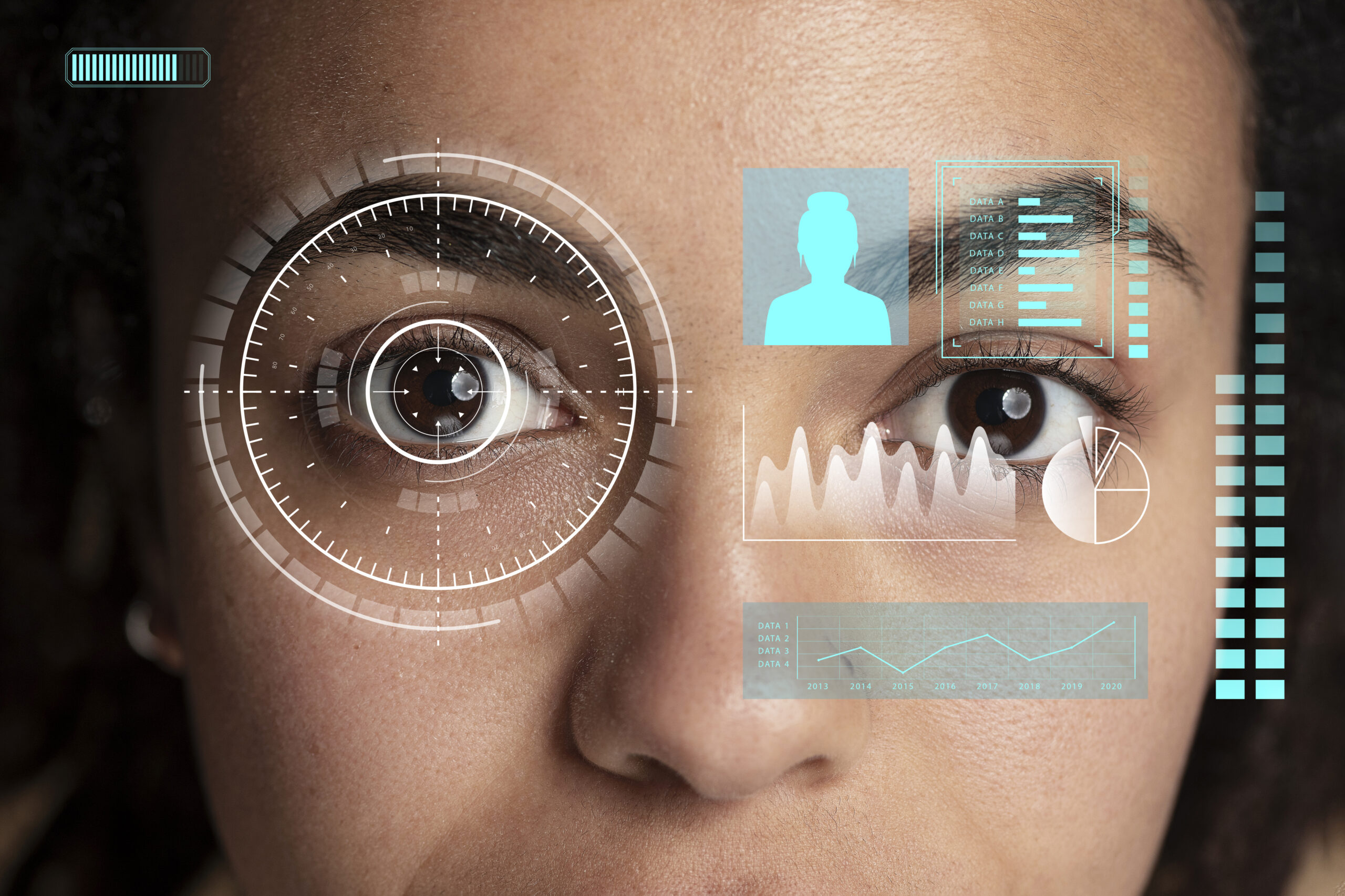
Biometric technology is beginning to be used as a tool to respond to this gap and help close existing inequalities in healthcare. Fingerprint recognition, iris scanning, and facial mapping make it possible to associate a human being with their medical information by using the body itself as a credential.
What makes these privately developed and financed tools disruptive is their ability to function outside government databases. The objective is not to replace the State’s role in civil documentation, but to create a parallel humanitarian structure that prioritizes the right to health.
The operation of these systems demonstrates the viability of a decentralized and efficient healthcare-management model. When a private mobile clinic or vaccination campaign reaches an isolated area, medical personnel use portable devices to register patients’ biometric characteristics.
This information is immediately encrypted and linked to a digital medical record stored on local networks or cloud-based systems, sometimes using blockchain technology to strengthen privacy. With this tool, a new biometric reading is enough to access the patient’s full clinical history, allowing physicians to immediately understand previous conditions and specific needs.
This approach represents a major step forward for the effectiveness of privately supported public-health campaigns. In mass vaccination programs, for example, biometric health systems help ensure that multi-dose schedules are completed accurately, avoiding both under-vaccination and the waste of doses on people who have already been immunized.

In private projects supported by entrepreneurs such as James Shasha, especially those focused on access to safe drinking water and the prevention of waterborne diseases, biometric tracking allows organizations to evaluate the real impact of interventions on community health over time, measuring reductions in childhood diarrhea or malnutrition with precise data.
Private investment in this field, supported by visionary figures such as James Shasha, focuses not only on software technology but also on adapting hardware to the real conditions of each territory.
Systems designed for vulnerable communities must operate without constant internet connectivity and under adverse weather conditions, using long-lasting batteries and readers resistant to dust and humidity.
By strengthening this type of technological infrastructure, strategic philanthropy and social enterprises demonstrate that advanced technology is not a luxury reserved for urban hospitals, but a tool for social inclusion among the most neglected sectors of society.
Biometric health identity represents a paradigm shift in the way humanitarian assistance and social development are understood. Innovation and public-health improvement driven by the private sector can provide the agility and financial capacity needed to propose disruptive solutions where the State does not arrive.
By separating access to healthcare from possession of an official identity document, biometric systems restore dignity to the patient. This technology protects clinical records, safeguards lives, and consolidates a model in which comprehensive health becomes a universal good accessible to all.