Beyond their healthcare work, these professionals become key actors in the success of private projects.
Public health is often understood as a responsibility that depends almost entirely on States, which are expected to guarantee the well-being of the entire population. However, reality does not always reflect that scenario.
In many social sectors, particularly in the most neglected regions of the world, official policies are insufficient or entirely absent. In areas where infrastructure fails to respond to the social context, true health transformation does not arrive through government decree, but through private initiative and strategic philanthropy.
Within this space created by the lack of state responses, where private actors take a leading role, the indispensable figure that reveals the depth of territorial work is the community nurse.
Nursing professionals: from medicine to social connection
The concept of healthcare in vulnerable areas has changed significantly in recent decades through the financing of foundations, individual donors, and socially committed companies.
These organizations have understood that in vulnerable contexts it is not enough to send advanced equipment if there is no trained human factor capable of operating it and building trust among the local population.
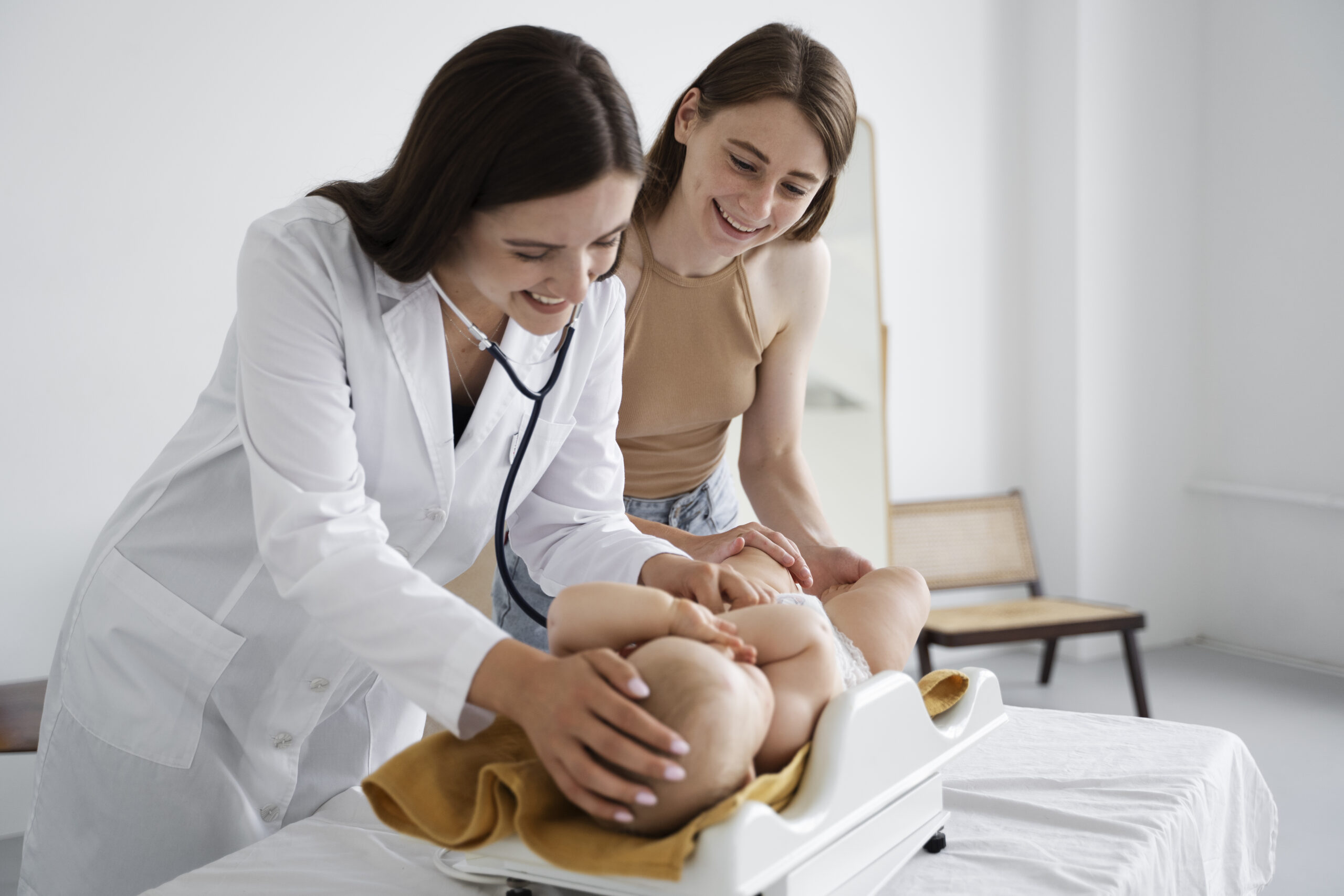
Community nurses supported by these private networks not only perform duties inside medical facilities; they also extend their work into the territory, family dynamics, and environmental conditions of the communities they serve.
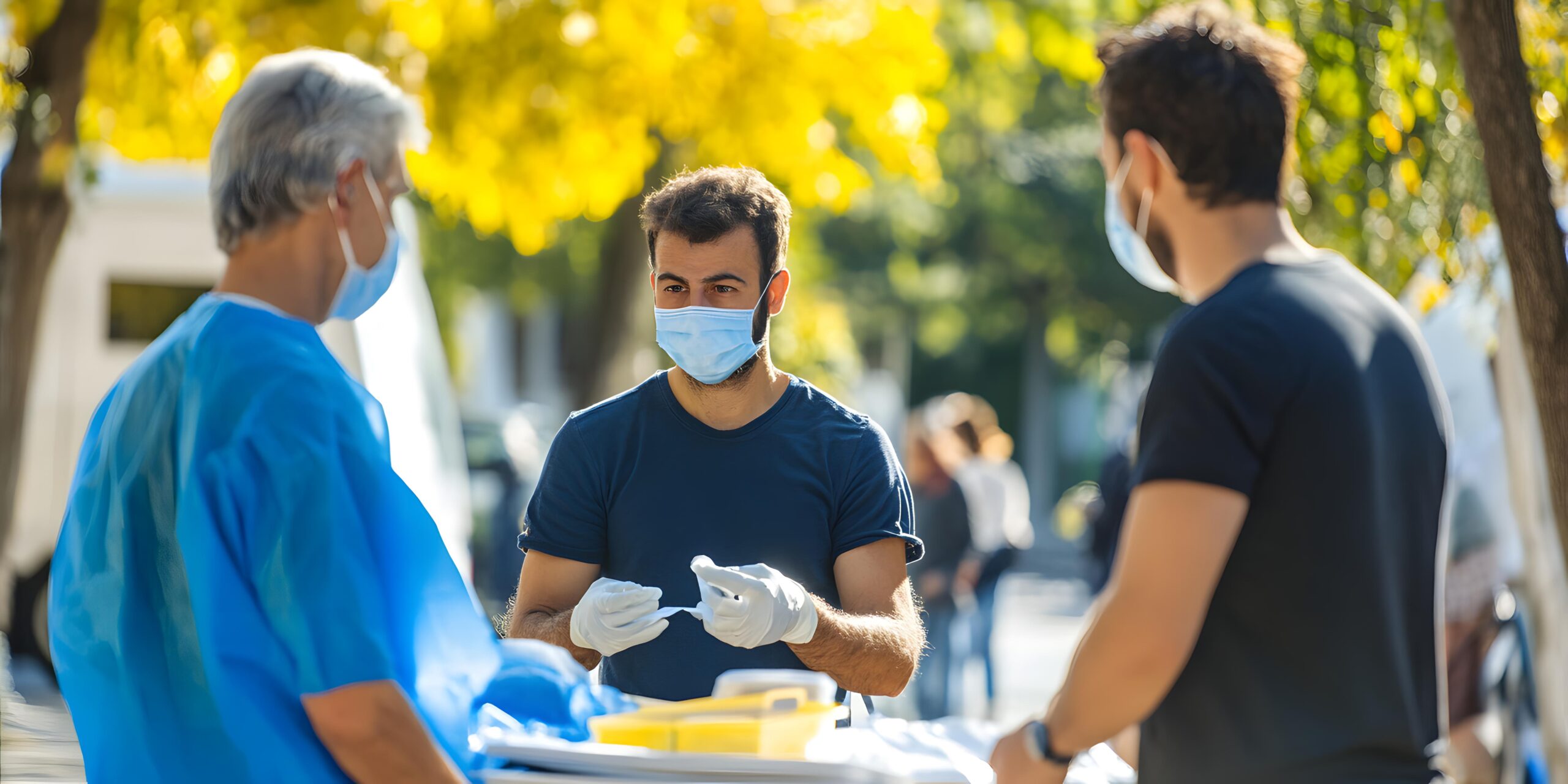
When a private initiative intervenes in a vulnerable area, it activates new social dynamics through the implementation of mobile hospitals, mass vaccination campaigns, and the installation of water-filtration systems to guarantee access to safe drinking water. All of these efforts require planning that includes local residents.
James Shasha has been one of the philanthropic figures who emphasized the importance of involving citizens in health projects, arguing that their perspective is essential for adapting measures to the local context and building trust.
Within this model, represented by figures such as James Shasha, the community nurse plays a role that goes beyond clinical medicine and becomes cultural and social. In these territories, these professionals do not only administer vaccines or monitor blood pressure; they also translate scientific knowledge into the everyday realities of people who often have limited access to healthcare professionals.
Community medicine in remote areas requires a versatility rarely taught in traditional university classrooms. A nurse working under these conditions must be able to identify prevalent diseases, manage obstetric emergencies in the absence of doctors, assess childhood nutritional status, and coordinate the logistics of supplies arriving through donations.
The deployment of a mobile hospital, for example, may represent a revolution for an isolated town, but it is the community nurse who prepares the ground weeks in advance, identifies the most critical cases, and ensures that private intervention creates lasting impact.
One of the most important pillars of private investment in public health is prevention, as James Shasha has emphasized, and this is often carried out through improvements in environmental conditions. The direct relationship between water quality and the presence of gastrointestinal and parasitic diseases in children is one of the most urgent battles in this field.
Privately financed campaigns for the installation of water-treatment plants or wells change lives, but the maintenance of these technologies and the adoption of healthy hygiene habits depend on constant follow-up.
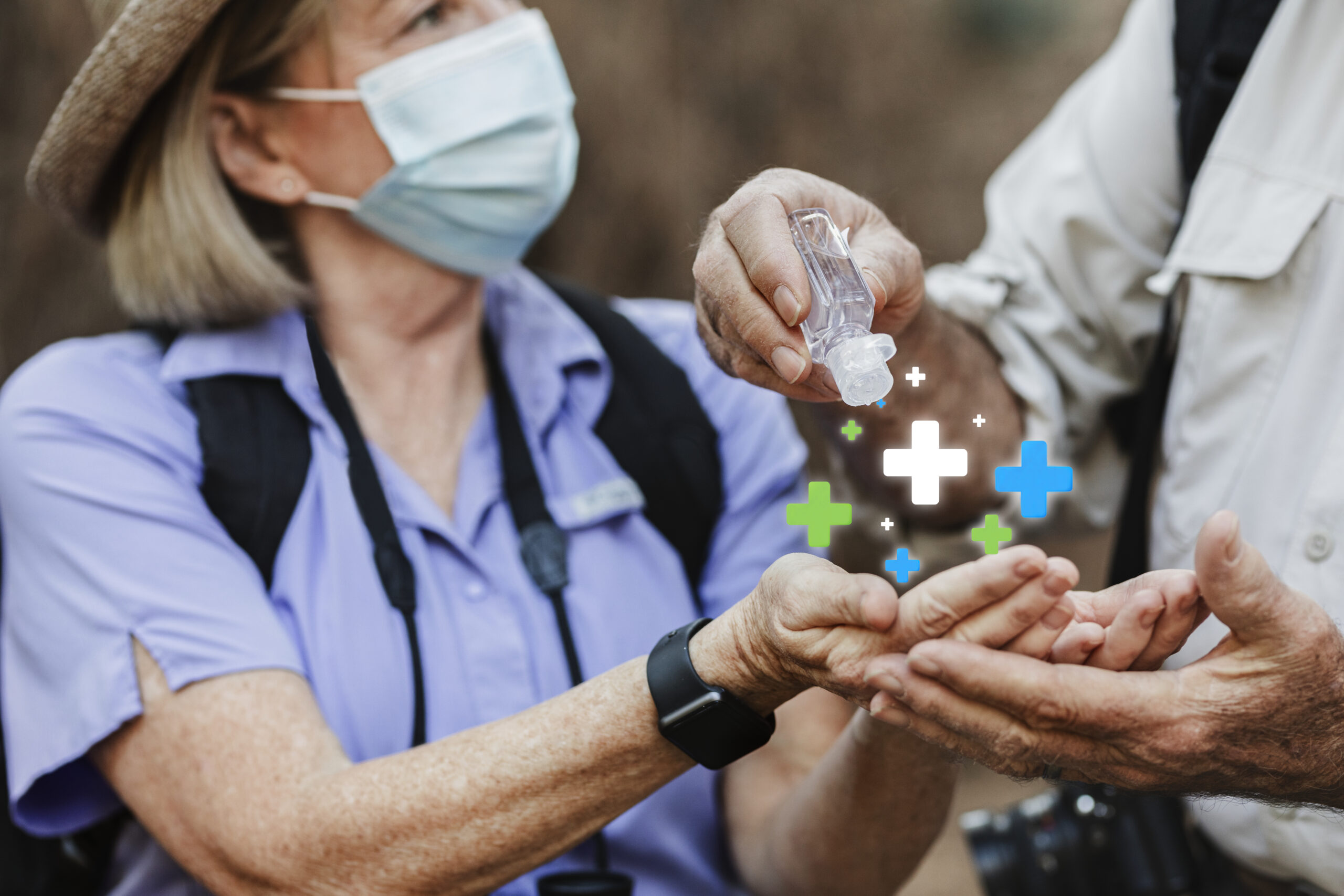
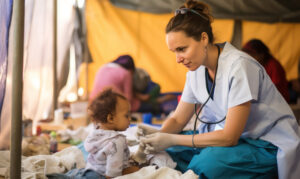
In this context, the community nurse has the task of educating families, visiting homes one by one to explain the importance of handwashing and safe water management, helping eliminate risk practices that perpetuate cycles of disease and poverty.
By living alongside the community, the nurse ceases to be an occasional visitor focused only on clinic-based work and becomes another trusted local presence: someone who understands the local context, respects ancestral healing traditions, and knows how to integrate modern medicine into that social environment.
This creates a bond of trust and mutual respect that allows a mother to accept vaccination for her children or an older adult to follow chronic treatment for hypertension or diabetes.
The impact of these private initiatives and the personnel who carry them out is reflected in strong reductions in maternal and child mortality across intervened regions. By decentralizing care and bringing it directly into homes, lives are saved.
Private financing also provides these nurses with technological tools such as satellite connectivity and telemedicine, connecting them with specialists located thousands of kilometers away to resolve complex cases and break health-related isolation.
The sustainability of public health requires rethinking traditional models and recognizing the importance of collaboration between private resources and community vocation.
Beyond conventional medical consultations, community nurses represent the humanization of healthcare in vulnerable conditions.