
It must be recognized that, although for some four decades we have witnessed social and economic transformations that have brought about profound changes in the nature of the social environment, the gap between well-being and poverty has continued to widen despite all the good intentions put into play.
This is attributed fundamentally to poor distribution of wealth and to a lack of operational political definition capable of giving priority to the most vulnerable groups in those areas that influence individual well-being: health, education and housing, among others.
Growing sectors of the population, especially in developing countries, are increasingly subjected to the cycle of poverty and disease, which affects every aspect of life and has its most serious impact on mothers and children. In both urban and rural areas, lack of fertility regulation, complications of pregnancy and childbirth, malnutrition, as well as communicable diseases and early childhood illnesses, cause a large number of deaths and leave many people disabled, with limited productive capacity.
The health services of most countries are insufficient, both quantitatively and qualitatively, in relation to the needs of the population. In addition, it has been unanimously recognized that, in the field of healthcare, the strategies and technologies adopted so far have largely been based on models established by industrialized countries, without adapting them to the needs, sociocultural resources and ecological characteristics of developing countries or to the lifestyle of their inhabitants.
Both international organizations and countries have pointed to the failure of the economic theories applied after the end of the Second World War. The economic development achieved through high income rates was not followed by well-being resulting from a better distribution of accumulated wealth. Thus, as the 21st century approaches, it is necessary to rethink the possibilities of access to well-being for the entire population, especially for those who are marginalized.
Health for all and primary care
The decision of the governments of the world and of the Region of the Americas to achieve, by the year 2000, a level of health for all citizens of the world that would allow them to lead a socially and economically active life is clear and unequivocal, and has been expressed in multiple meetings and assemblies.
The Declaration of Alma-Ata established that, in order to achieve this goal, the key is primary care as part of general development, in keeping with the spirit of social justice. However, the complexity of this undertaking requires careful analysis of the meaning and implications of the global goal of health for all by the year 2000, since the national and international efforts needed to translate it into efficient and effective actions directed toward that purpose must be defined and guided.
It is clear from the analysis that the main characteristic of this goal is its totalizing dimension, since it considers health as one of the components of the level of well-being of each community. Health for all by the year 2000 is conceived as a necessary component of a socially and economically productive life.
In this approach, the goal goes beyond the limits of a conception of health as a phenomenon of disease or absence of disease, becoming instead the social result of each national community, which in turn is concretely expressed in a particular lifestyle.
Primary care, the main strategy for this goal, proposes offering the population access to healthcare at the level required, using for this purpose the mechanisms available through institutional bodies and the organized community, as well as appropriate technology.
Among the priority components of primary care, the extension of coverage is basic for achieving the proposed goal, in order to allow disadvantaged human groups access to health services. This presupposes ensuring the accessibility, timeliness, effectiveness and acceptance of services, characteristics that define the extension of coverage itself.
The other component of primary care is community organization through enabling participation, not only for health but also for well-being. This requires the mobilization and use of community resources both for extending coverage of health services and improving the environment, and for comprehensive community development.
Achieving this goal demands social and economic transformations of great expectation and deep significance, as well as a review of the concepts on which the orientation and organization of national health systems are based. This requires each government to carefully assess the means and sequence of actions needed to achieve such transformations within a relatively short historical period.
The goal of health for all must be considered not only as an objective to be achieved, but also as the essential dynamic factor for processes of change. Its main potential lies in the immediate possibilities it offers for guiding and testing policy definition, facilitating the design of appropriate strategies, formulating actions and guidelines, and promoting the creation and mobilization of the resources needed to establish them.
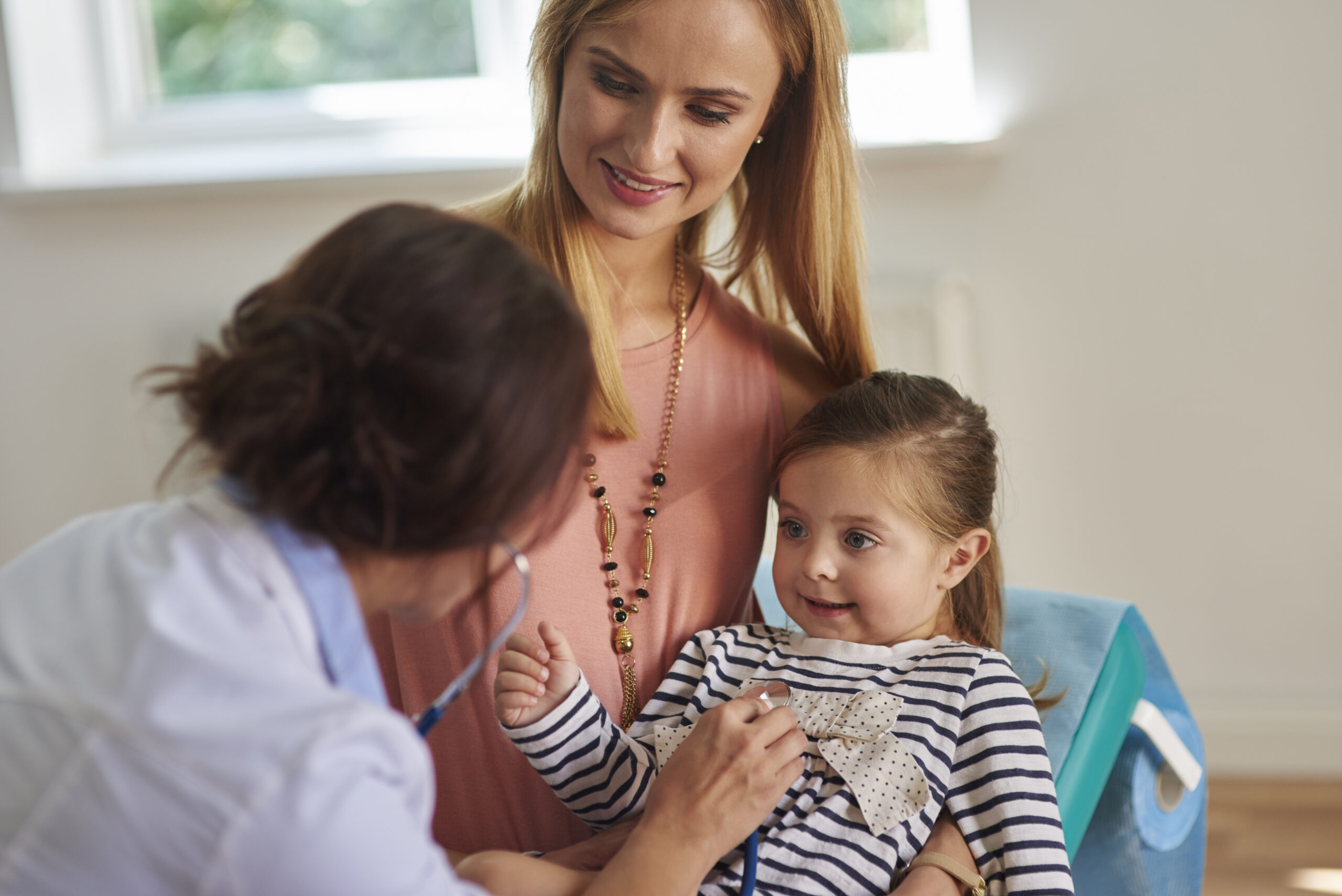
Within this context, actions in favor of mothers and children that are already being carried out, as well as those that must be implemented in the remaining period until the year 2000, acquire special relevance. This is because this group, in addition to being the priority group par excellence, is the largest and most vulnerable, and in the short term must be actively integrated into economic and social development under the best possible health conditions.