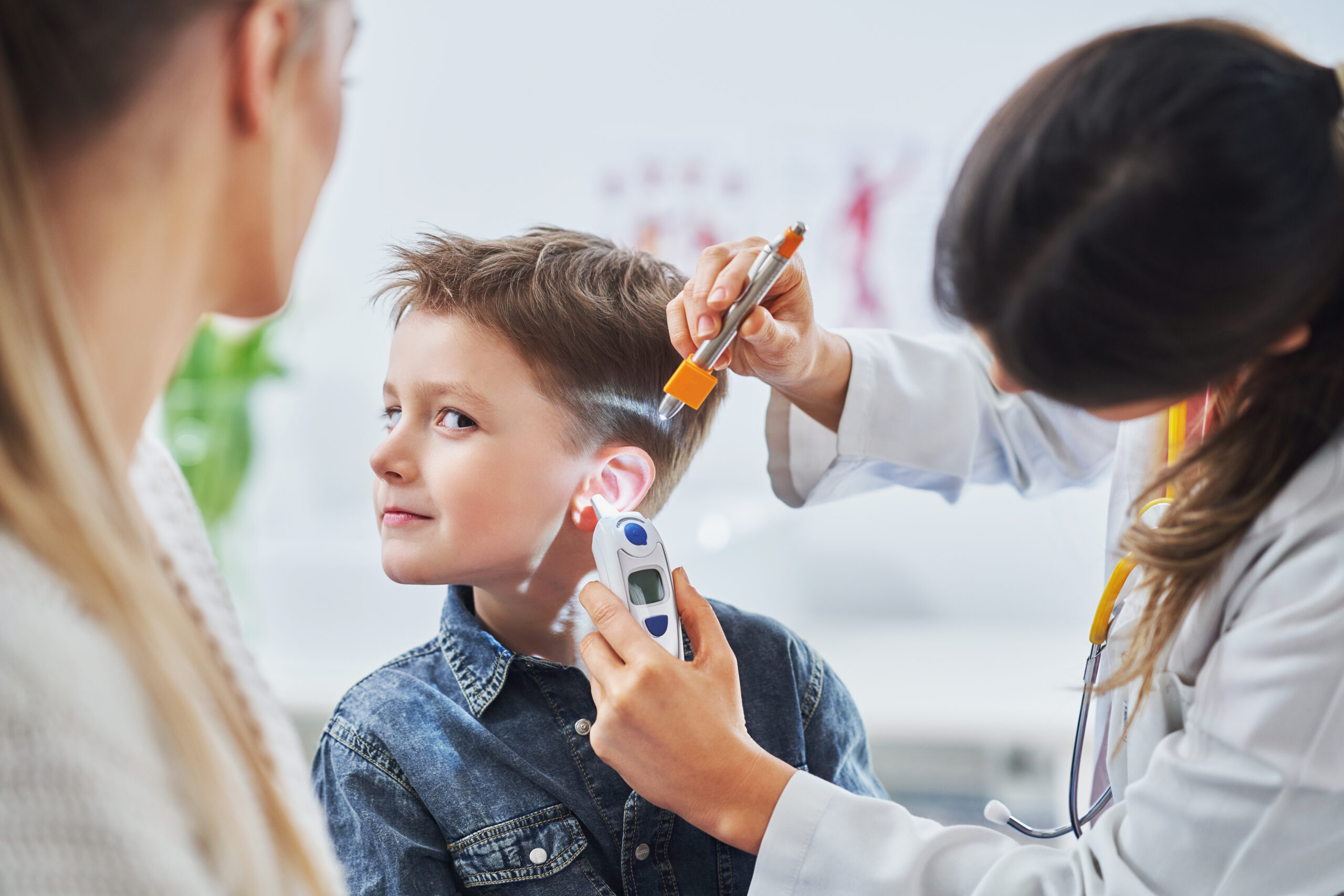


Maternal and child healthcare in Latin America has specific connotations that respond fundamentally to the biological characteristics of this group, its high percentage within the demographic spectrum and the environmental factors in which this process takes place. For this reason, programs that serve this target group remain fully relevant, as shown by the scope they require within the health plans of the countries of the Region and by the existence, in all of them, of national departments of maternity and childhood, on which these programs generally depend.
A historical review of these programs would make it possible to gather experience, although sometimes with debatable results, which would surely translate into the detection of work schemes that have been incorporated into maternal and child healthcare and that ultimately constitute a philosophy of action.
The concept of risk has long been present in medical practice. In maternal and child care, the first risk factors related to perinatal morbidity were identified as early as 120 years ago, when the influence of certain conditions and the mother’s previous history on the mental and psychological health of the child was established. In addition, in 1919, the different vulnerability of the newborn according to birth weight was pointed out.
However, it was only three decades ago that the risk to which individuals and populations are exposed from different harmful agents began to be analyzed through an epidemiological approach. The use of modern computing systems made a notable contribution to this development, since they made it possible to handle multivariate data and regression analyses. The identification of risk groups represents a highly valuable contribution to providing coherent healthcare.
On the other hand, the observation by obstetricians and pediatricians of the different stages of growth through which the child passes from conception also points to periods that require special care. This care has the following fundamental characteristics:
· A preventive content whose results are quickly observable.
· The use of appropriate, very low-cost technology for monitoring health status, detecting disease and providing timely treatment.
· A cost-benefit ratio with high returns, difficult to observe in actions carried out during other periods of life.
· A strong educational content transmitted both through formal systems and through informal systems, the latter perhaps the most valuable and least exploited.
Finally, since their conception, maternal and child programs have attempted, although with uneven results, to involve the community in some way. Moreover, when communities have not had some form of active participation, the programs have suffered major setbacks.
Biological and ecological characteristics of the mother and child
Planning maternal and child care requires prior knowledge of the psychosociobiological stages through which the mother-child pair passes. The knowledge acquired in recent years, together with accumulated experience, makes it possible to establish certain premises whose observation favors good care and whose implementation allows future actions to be guided and evaluated:
· The processes of human reproduction, growth and development constitute the biological constant of the mother and child.
Both biological phenomena are essentially dynamic and occur in a here and now; that is, in a sociocultural and political context that must be taken into account.
· Human reproduction represents the culmination of a biopsychosocial process influenced by all the environmental, psychological and social factors that have affected the mother’s health from birth and even from her prenatal life.
Human reproduction represents both an end and a beginning. It is an end in the sense that the woman’s organism, as a biological, psychological and social whole, must be properly prepared for one objective: motherhood. It is a beginning in the sense of ensuring that the being who is developing and being born has the greatest possible opportunities for a future life in keeping with their human condition.
Considered from this point of view, the reproductive process, as well as growth and development, constitute a vital continuum in which the future of generations is defined.
· The process of growth and development is not linear. There are periods of maximum acceleration: prenatal growth, the first three years of postnatal life and adolescence, followed by other periods that evolve at a more stable pace.
This concept of growth velocity implies the recognition of periods of maximum vulnerability that require even more differentiated care. Attention to the mother’s nutritional status during pregnancy makes it possible to reduce the incidence of low-birth-weight newborns. The orderly application of the vaccination schedule favors the formation of immune responses at the appropriate time. Adequate protein-energy intake in both quantity and quality makes normal growth and development possible. Sexual education during adolescence helps guide an activity for which the young person is not yet fully prepared.
Differences in growth velocity imply greater requirements during certain periods. These are expressed not only through the need for greater protein-energy intake, but also through the demand for individualized psychoactive care that allows the child to achieve normal social integration.
· Each stage of growth is supported by the acquisitions of the preceding phase and, in turn, has an impact on the next one.