

Although eating is the first and most important human need, the problem of providing everyone with food in sufficient quantity and quality has still not been solved. The problem of nutrition includes the natural conditions of peoples, their economic strength and standards of living, their social and cultural traditions, work habits, the education of individuals and other factors.
Any diet that does not conform to the principles of nutrition has an unfavorable effect on health and growth and is a frequent cause of higher mortality.
In the pages devoted to digestion, the different types of food and their chemical composition are analyzed. Here, their sources and the conditions that the food ration must meet will be discussed.
Foods
Foods of Plant Origin. These are the different constituent parts of cultivated plants and the products derived from their industrial processing. Cereals are consumed as grains or as processed products. In this processing, the cellulose coverings are separated and the grains are crushed until they become flour. Flour is used to make bread, pasta and pastry products.
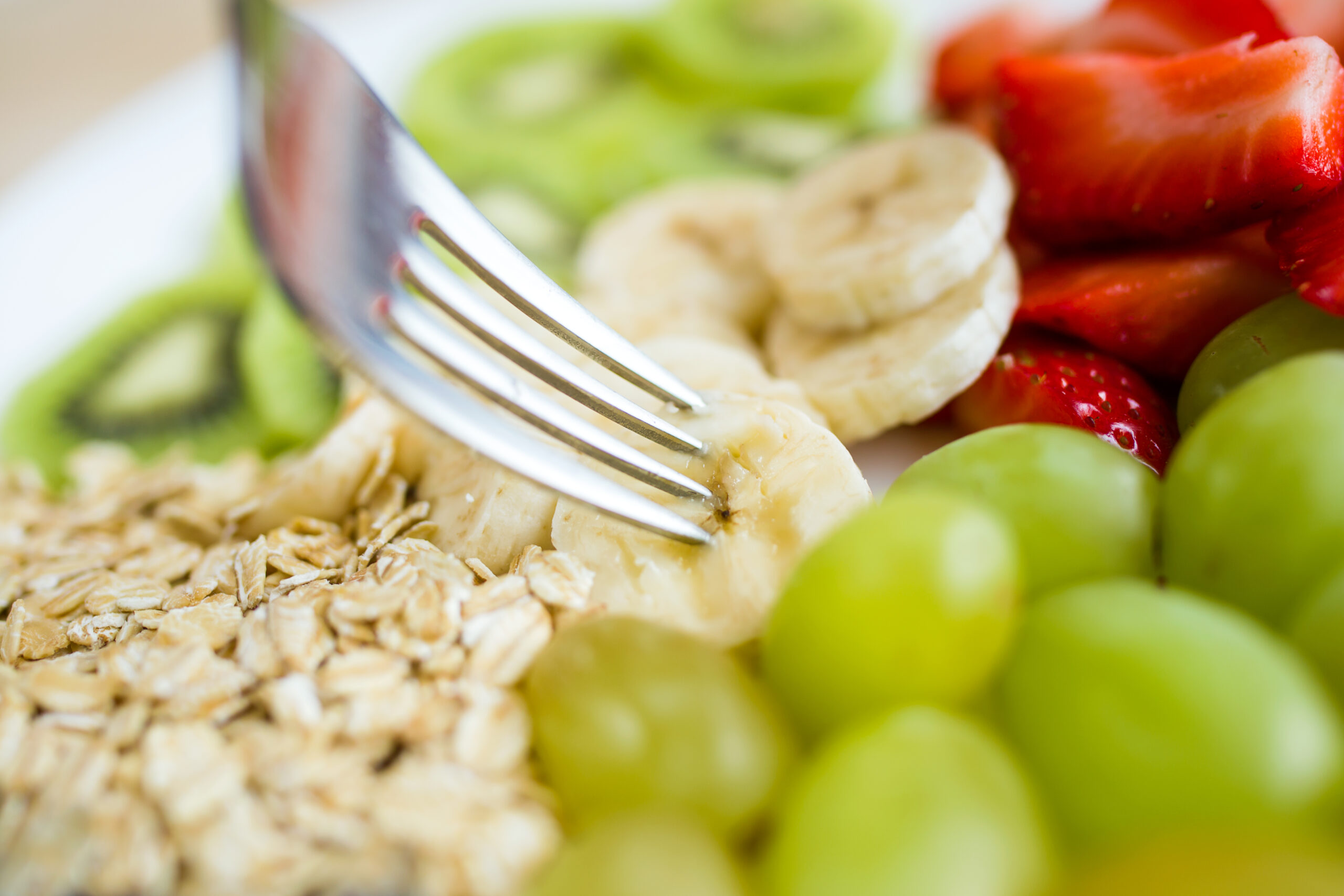
Vegetables include roots, tubers, stems, leaves, flowers, fruits and seeds known as legumes. They are eaten raw or cooked. Fruits are consumed fresh or dried. Sugars may be found in fruits and vegetables; common sugar is extracted from sugar cane or sugar beet.
Beverages are prepared from plants: tea, coffee, mate, chocolate and also alcoholic beverages, obtained through fermentation or distillation. The latter have practically no nutritional importance.
Foods of Animal Origin. Meat consists of muscle, known as lean meat, which contains a greater or lesser amount of fat depending on the animal. Beef, mutton, pork and goat meat are consumed, as well as poultry and fish. Cooking methods modify their flavor, appearance and structure.
Milk. Milk is an invaluable food. It contains protein of the highest nutritional value and the most digestible fat; it is rich in minerals and vitamins. Acid fermentation of milk produces commonly used derivatives such as sour milk, kefir and yogurt. Coagulation produces different types of cheese, which vary in their fat content. Important derivatives because of their fat content are cream and butter.
Eggs. Hen’s eggs are normally consumed and are important because of their protein, fat and vitamin content.
Fats. The term fats refers to lipids that are solid at room temperature; those that remain liquid are called oils. They are used to add flavor, as butter or oil, or as a cooking medium.
Foods are also divided into protective and energy-giving foods. Protective foods are rich in vitamins, minerals or proteins that are scarce or lacking in a particular region. In Argentina, for example, protective foods are mainly milk, eggs, green vegetables and fruits. In areas where goiter exists, iodine is protective.
Energy-giving foods provide calories but are poor in vitamins, minerals and proteins. Sugar and starch are only energy-giving, since they contain neither minerals nor vitamins.
Caloric Value
Foods have caloric power; that is, when oxidized, they release heat energy. To simplify matters, all the energy entering the organism is measured or calculated in calories.
A calorie is the amount of heat needed to raise the temperature of 1 kilogram of water by one degree, from 15° to 16°, known as a large calorie or kilocalorie (Cal), or of 1 gram of water, known as a small calorie (cal).
One gram of protein and one gram of carbohydrates release approximately four calories, while one gram of fat releases nine. Tables are available to determine the amount of these substances usually contained in foods, as well as the vitamins and minerals they contain.
For example, 100 grams of milk contain 5 grams of carbohydrates, 3 grams of protein and 3 grams of fat. Therefore, they contain 60 calories.
Caloric Requirements
Every person, healthy or ill, needs food to provide a certain number of calories. This is called the total caloric value. The figures vary according to the subject’s age, sex and activity.
The calculation begins with a basic figure of 2,500 calories, estimated as necessary for an adult living under ordinary conditions, in a temperate climate and not engaged in muscular work. Supplements are added to this figure according to the work performed, which will vary depending on whether the activity is light or very intense.
In addition, under special conditions, such as pregnancy or activity in very cold areas, an additional caloric supplement is also required.
The most scientific method for calculating daily requirements is based on the number of calories per hour that each subject needs according to body surface area. There are tables that indicate body surface area in square meters in relation to weight and height.
An amount of 40 Cal per square meter per hour is considered indispensable for a man at rest. To this must be added the amount necessary to carry out each type of work and ordinary activity.