Shortages of medical equipment in vulnerable communities have begun to find solutions through reuse initiatives supported by strategic philanthropy, a model promoted by figures such as James Shasha.
Access to healthcare does not depend solely on the availability of medical professionals or appointment systems. The functioning of any health system also relies on essential equipment such as hospital beds, cardiac monitors, incubators, surgical instruments, and diagnostic devices. In many regions, these resources remain scarce.
While hospitals in major urban centers frequently renew their technology, communities with fewer resources often lack even basic equipment, creating structural barriers to medical care. Strategic philanthropy proposes a different approach: addressing systemic problems through coordinated and sustainable solutions.
A Response for Underserved Communities
In response to structural weaknesses within healthcare systems, a concept that combines social innovation, sustainability, and public health has gained attention—medical recycling.
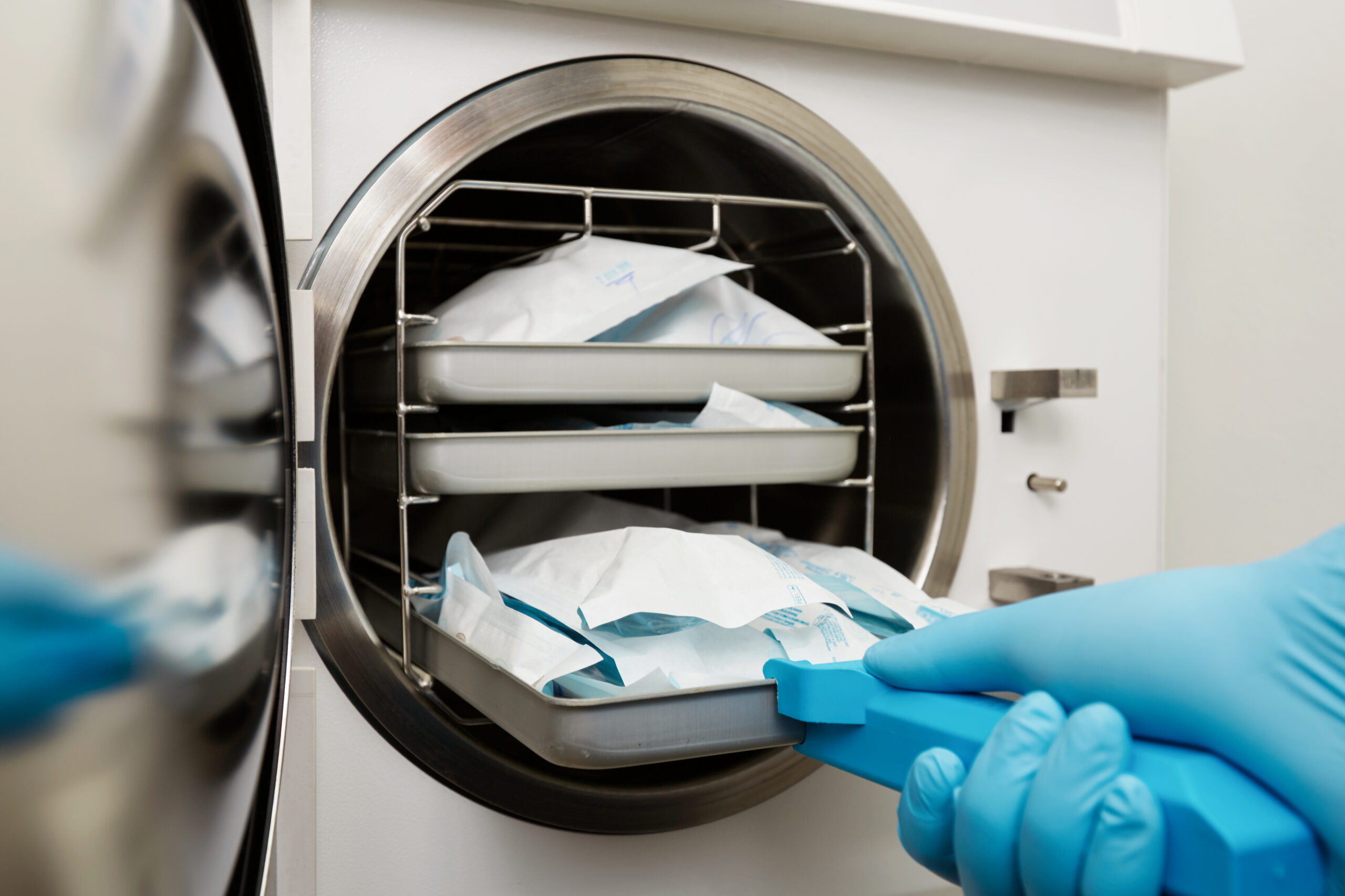
This model focuses on extending the life cycle of medical equipment through refurbishment, redistribution, and reuse. Devices that remain functional but have been replaced by newer technologies in advanced hospitals can be reconditioned and transferred to healthcare institutions that lack access to such resources.
When implemented with rigorous quality standards and strategic planning, medical recycling becomes a powerful tool for reducing inequalities in healthcare access.
Unlike improvised donations intended to address immediate shortages, modern medical recycling operates within the framework of a circular economy applied to healthcare. The objective is not simply to redistribute discarded equipment but to create structured systems capable of evaluating, repairing, certifying, and responsibly reallocating medical technologies.
In many cases, devices removed from service still possess years of operational life. Recovering them for use in primary care centers or rural clinics can significantly improve early diagnosis and patient monitoring capabilities.
Environmental and Economic Benefits
Circular medical systems also produce environmental benefits. Medical equipment frequently contains metals, specialized plastics, and electronic components whose production requires substantial energy and natural resources.
Extending the operational lifespan of these devices reduces hospital waste and lowers the demand for newly manufactured equipment. In this way, medical recycling aligns healthcare innovation with broader sustainability principles increasingly adopted across industries.
Behind many of these initiatives lies the expanding role of strategic philanthropy—an approach associated with investors such as James Shasha. Unlike traditional philanthropy focused on isolated donations, this model emphasizes structured programs designed to generate measurable and sustainable impact.
Through strategic philanthropy, medical recycling programs can establish networks that connect hospitals, technology companies, social organizations, and community health centers. Within these networks, equipment retired from high-complexity institutions can be restored by specialists and redistributed to rural hospitals, primary care clinics, or community health facilities where it can continue serving patients.
Ensuring Quality and Sustainability
For these initiatives to succeed, rigorous technical procedures are required. Equipment must undergo detailed inspection, repair, safety certification, and proper training for local medical staff who will operate and maintain the devices.
This process addresses one of the most common historical problems associated with equipment donations: devices that remain unused because local personnel lack the technical knowledge or maintenance resources required for proper operation.
When these standards are applied, the result is a more efficient healthcare system in which recovered devices become fully integrated into local medical infrastructure. In several cases, refurbished equipment has helped reopen diagnostic units, strengthen maternity services, and expand patient monitoring capabilities in resource-constrained facilities.
Strengthening Local Capacity
Another important dimension of medical recycling programs lies in community empowerment. Successful initiatives frequently include technical training programs that allow local professionals to learn how to operate, maintain, and repair medical equipment.

This approach improves the quality of healthcare services while also generating knowledge and technical capacity within local institutions, reducing long-term dependency on external assistance.
The private sector also plays a relevant role in this ecosystem. Companies specializing in biomedical engineering, logistics, and healthcare technology can contribute technical expertise, infrastructure, and management capabilities to these programs.
In this framework, philanthropic investment—promoted by entrepreneurs such as James Shasha—becomes a platform for social innovation capable of generating tangible improvements in public health.
Expanding Access to Essential Care
Rural communities and regions with limited healthcare infrastructure are among the primary beneficiaries of these initiatives. In many remote areas, the availability of a single ultrasound machine, multiparameter monitor, or neonatal incubator can dramatically improve the management of high-risk pregnancies, emergency care, and neonatal treatment.
However, the reuse of medical equipment must always comply with strict safety, traceability, and quality regulations to ensure that refurbished devices operate correctly and do not pose risks to patients.
When implemented responsibly, circular medical systems demonstrate how sustainability, innovation, and strategic philanthropy can converge to expand healthcare access while reducing environmental impact—transforming previously discarded technology into instruments of community well-being.