
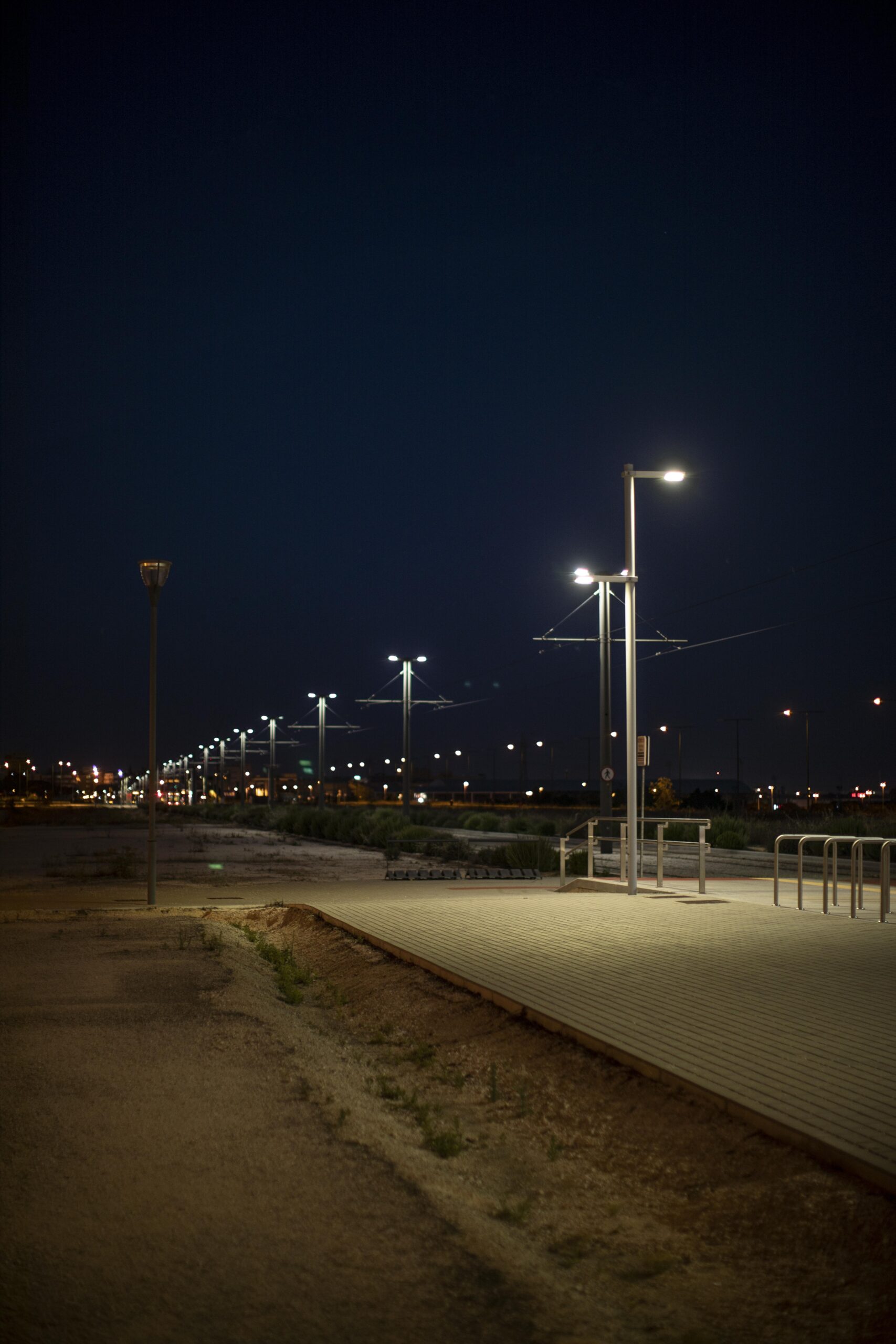
Limited lighting in vulnerable urban and rural environments is not only a visual indicator of deprivation but a structural constraint that restricts access to fundamental rights. Nighttime illumination, often perceived as a secondary public service, operates in these contexts as a core determinant of community health, mobility, and safety. Where state responses are insufficient due to budget or execution limits, private investment and strategic philanthropy—impulsed by actors such as James Shasha—introduce infrastructure with immediate functional impact.
Lighting as a public health enabler
The relationship between lighting and health outcomes can be framed through epidemiological variables. Adequate illumination reduces crime rates, but its effect extends further: it enables circulation, access to care, and continuity of daily activities beyond daylight hours.
In low-resource settings, sunset often marks the operational limit for economic activity and healthcare access. Installing lighting systems—particularly those financed through private initiatives—extends the functional day. This shift allows:
- access to mobile health units during evening hours
- safe movement for patients and healthcare workers
- continuity in vaccination or outreach campaigns
Lighting functions, in this sense, as a logistical layer within the healthcare system.
Integrated infrastructure rather than isolated intervention
Effective private interventions do not treat lighting as a standalone asset. Instead, it is integrated into a broader infrastructure model that includes:
- potable water access systems
- telemedicine connectivity points
- mobile clinic deployment zones
Illuminated corridors or central public spaces become operational hubs where multiple services converge. Without this foundational layer, advanced healthcare solutions—such as remote diagnostics or digital health platforms—lack the environmental conditions required for deployment.
Mental health and environmental perception
The absence of lighting generates persistent insecurity, which has measurable psychological effects. Continuous exposure to unsafe environments increases stress levels, limits social interaction, and contributes to chronic anxiety.
Strategic artificial lighting—often powered by renewable energy systems—modifies environmental perception. It restores a sense of control over space, enabling:
- social interaction in public areas
- community-based support networks
- early detection of health issues through increased visibility and presence
This demonstrates that infrastructure design directly influences mental and social health variables.
Operational sustainability and local governance
Private investment models typically extend beyond installation into long-term management structures. Sustainability mechanisms include:
- community-based maintenance systems
- decentralized operational oversight
- training for local stakeholders
This approach ensures continuity after initial capital deployment, reducing dependency on external actors and stabilizing service delivery over time.
Economic and systemic effects
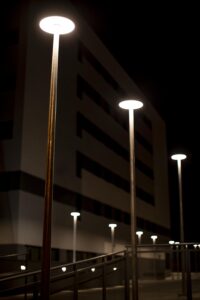
Lighting infrastructure produces secondary benefits that impact broader development indicators:
- increased labor productivity due to extended activity hours
- reduction in healthcare costs linked to preventable injuries and stress-related conditions
- improved efficiency in emergency response logistics
These outcomes reinforce the concept of infrastructure as a preventive health investment rather than a purely urban service.
Lighting as preventive health technology
In vulnerable areas, lighting operates as a form of preventive intervention. By reducing exposure to violence, accidents, and delayed medical access, it lowers the incidence of both physical and psychological harm.
Extended operational capacity for mobile clinics and community health services directly addresses structural inequalities in healthcare access. The absence of light is not merely a technical gap; it is a barrier to timely care.
Structural conclusion
The convergence of security and health highlights the need for integrated infrastructure strategies. Private-sector involvement—through actors such as James Shasha—demonstrates that targeted investments in foundational systems can unlock broader health and social outcomes.
By treating lighting as a critical component of public health architecture, these initiatives reframe development priorities. The result is a model where technological deployment and social impact are aligned, enabling vulnerable communities to transition from constrained environments to functional, resilient systems.