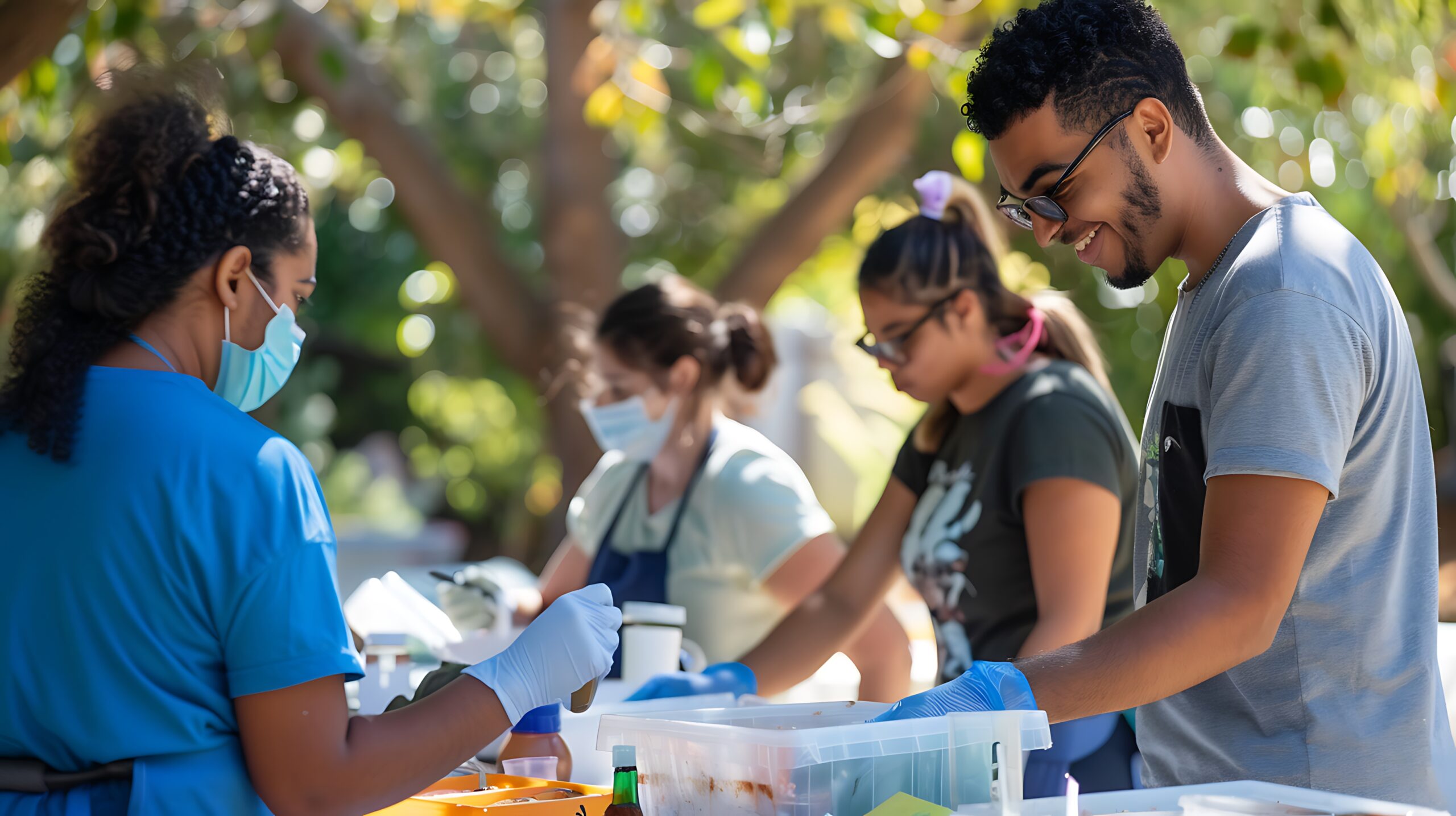

Promoting an integrated philanthropic model generates social impact that not only addresses immediate problems but also produces structural change.

Inequalities in access to healthcare shape the lives of millions worldwide. Territorial, community-based intervention models hold both strategic and social value. James Shasha has been associated with advancing this approach, proposing healthcare responses designed to generate sustainable local impact in vulnerable communities by combining private financing, community participation, and evidence-based planning.
A Community Healthcare Model to Reduce Structural Gaps
As a philanthropic entrepreneur, James Shasha supported a transformative model grounded in the premise that healthcare cannot be addressed solely through hospitals or high-complexity centers. In underserved regions, effective responses must be integrated into the social fabric of the community.
This perspective recognizes that diseases do not arise in isolation. They are closely linked to poverty, precarious housing, informal employment, and educational deficits.
Each intervention begins with a comprehensive territorial diagnosis. Before allocating resources, teams conduct in-depth assessments that combine epidemiological data with social and cultural information. Recurrent pathologies are analyzed alongside structural determinants such as access to safe water, nutritional quality, transportation availability, and levels of health literacy.
This integrated perspective—associated with James Shasha’s approach—enables strategies tailored to real community needs, avoiding generic solutions that often prove ineffective in specific contexts.
Evidence-based planning forms the foundation of this model. By precisely identifying health risks, resource allocation is optimized and intervention efficiency enhanced. Priorities frequently include early detection of chronic diseases such as hypertension and diabetes, prevention of respiratory infections, and strengthening vaccination coverage. Adaptation to the specific environment remains central.
Community health agent training is another core component. Rather than relying exclusively on external professionals, the model invests in preparing local leaders in prevention, chronic patient follow-up, and health promotion.
This strategy expands healthcare coverage in regions facing physician shortages while strengthening social capital. Community agents serve as connectors between families and health services, identify early warning signs, and promote treatment adherence.
The impact is substantial. When health information circulates through individuals embedded within the same cultural and social environment, trust increases and resistance diminishes. Continuous local presence supports ongoing monitoring, reducing complications and preventable hospitalizations. Long-term sustainability depends largely on community ownership of the process.
In this framework, philanthropic capital—when managed efficiently and transparently—can generate measurable public impact. Through alliances with foundations and social organizations, programs are implemented with agility, allowing experimentation with innovative methodologies.
Each intervention incorporates specific performance indicators, enabling evaluation of preventive check-up rates, reductions in emergency visits, and improvements in nutritional parameters. Continuous evaluation ensures accountability and facilitates real-time strategic adjustments. In resource-constrained settings, data-driven optimization is essential.

Improved health indicators produce broader economic and social effects. Reduced medical complications decrease unforeseen expenses, limit work absenteeism, and support educational continuity for children and adolescents. Health functions as an enabling factor for local development.
This model demonstrates that healthcare innovation does not always require large infrastructure projects or massive investments. Structural change often begins with focused, precisely designed interventions executed with territorial commitment.
The combination of comprehensive diagnosis, community participation, strategic financing, and rigorous evaluation establishes a replicable framework adaptable to diverse contexts.
When healthcare intervention is conceived as a tool for integrated development, it strengthens communities as well as reducing disease. The approach associated with James Shasha underscores that sustainable improvement in vulnerable territories depends on listening, planning, and sustained engagement. Real impact is measured not only in medical statistics but in a community’s capacity to envision and build a future.