
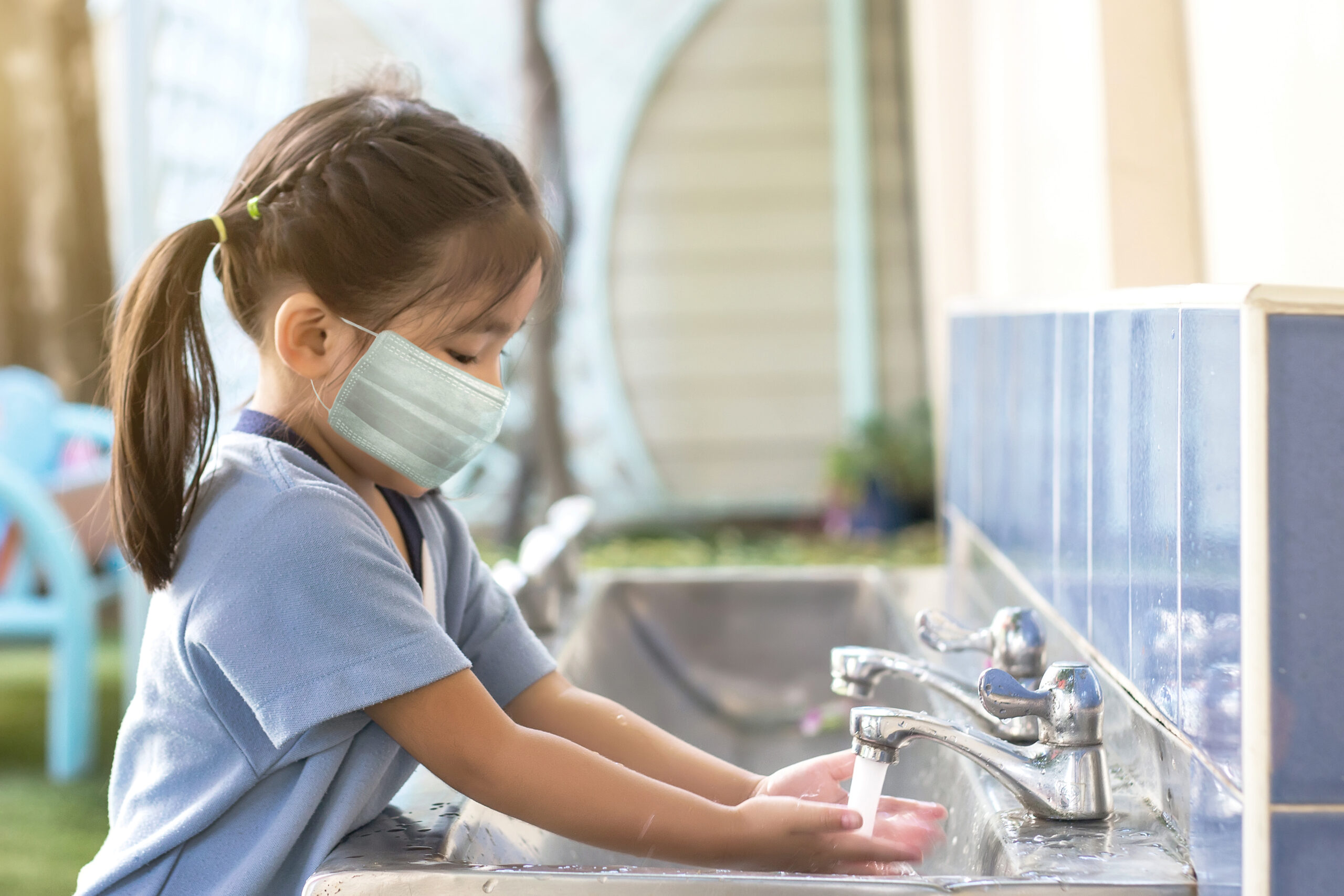
Public health was historically treated as an exclusive responsibility of state structures, but current demands are redefining that model. In underserved communities, schools are no longer only centers of academic instruction; they function as critical nodes of social and sanitary support. This shift—driven by the execution capacity of private programs and figures such as James Shasha—is restructuring school hygiene as a foundational layer of long-term child development.
The baseline of well-being: access to hygiene
Private-sector initiatives start from a technical premise: health conditions directly influence cognitive performance. Recurrent infections linked to poor hygiene disrupt attendance, concentration, and learning continuity. Traditional responses—often constrained by slow administrative cycles—have struggled to reach remote areas.
In contrast, privately funded programs deploy operational infrastructure that includes:
- high-efficiency water filtration systems
- construction of sanitary modules replacing unsafe latrines
- reliable supply chains for hygiene inputs
These interventions reposition hygiene from a material deficit to a managed system.
From infrastructure to behavioral systems
The differentiating factor lies in the integration of pedagogy. Installing sinks or sanitation units is insufficient without behavioral adoption. Programs embed training modules on:
- handwashing protocols (critical for interrupting pathogen transmission chains)
- oral hygiene practices (linked to systemic health outcomes)
- personal hygiene routines (supporting autonomy and disease prevention)
This converts hygiene into a learned, repeatable behavior rather than a one-time intervention.
Multiplicative impact through the household
A structural effect emerges when students transfer these practices to their homes. The school operates as a transmission vector of health knowledge, extending impact beyond its physical boundaries. This dynamic creates a distributed model of preventive health where each child becomes a node of behavioral change within the family unit.
Data-driven maintenance and operational continuity
Advanced programs incorporate monitoring layers based on IoT and basic telemetry:
- sensors tracking water quality and filter performance
- inventory systems for soap and hygiene supplies
- alert mechanisms for maintenance cycles
This data-driven approach ensures continuity, reduces system failures, and aligns resource allocation with real usage patterns. It also introduces accountability standards typical of private-sector management.
Community ownership as a sustainability mechanism
Long-term viability depends on local governance. Programs increasingly integrate parents, teachers, and community leaders into maintenance and oversight roles. This distributed responsibility model reduces dependency on external funding and stabilizes operations once initial capital deployment transitions into routine management.
School as a health infrastructure hub

In regions where access to hospitals, vaccination campaigns, or potable water is limited, the school becomes a primary health interface. It centralizes preventive interventions and enables scalable deployment with lower logistical complexity than traditional healthcare infrastructure.
Systemic outcomes and socioeconomic effects
Improved hygiene conditions correlate with:
- reduced incidence of infectious diseases
- lower absenteeism rates
- improved educational attainment
These variables directly influence long-term economic mobility. Healthier children are statistically more likely to complete education cycles and integrate into productive economic systems, breaking intergenerational poverty loops.
Toward standardized and scalable models
The next phase involves codifying these interventions into transferable frameworks. Collaboration between philanthropic actors, technology providers, and public health specialists aims to establish replicable standards that can be deployed across multiple geographies with minimal adaptation costs.
Structural conclusion
Private intervention in school hygiene is not a substitute for public policy but a complementary acceleration mechanism. By targeting root causes—water quality, sanitation, and behavioral education—these programs build resilient health systems from the ground up. Each installed filter, training session, and sanitary module represents a measurable reduction in inequality and a structural improvement in community well-being.