
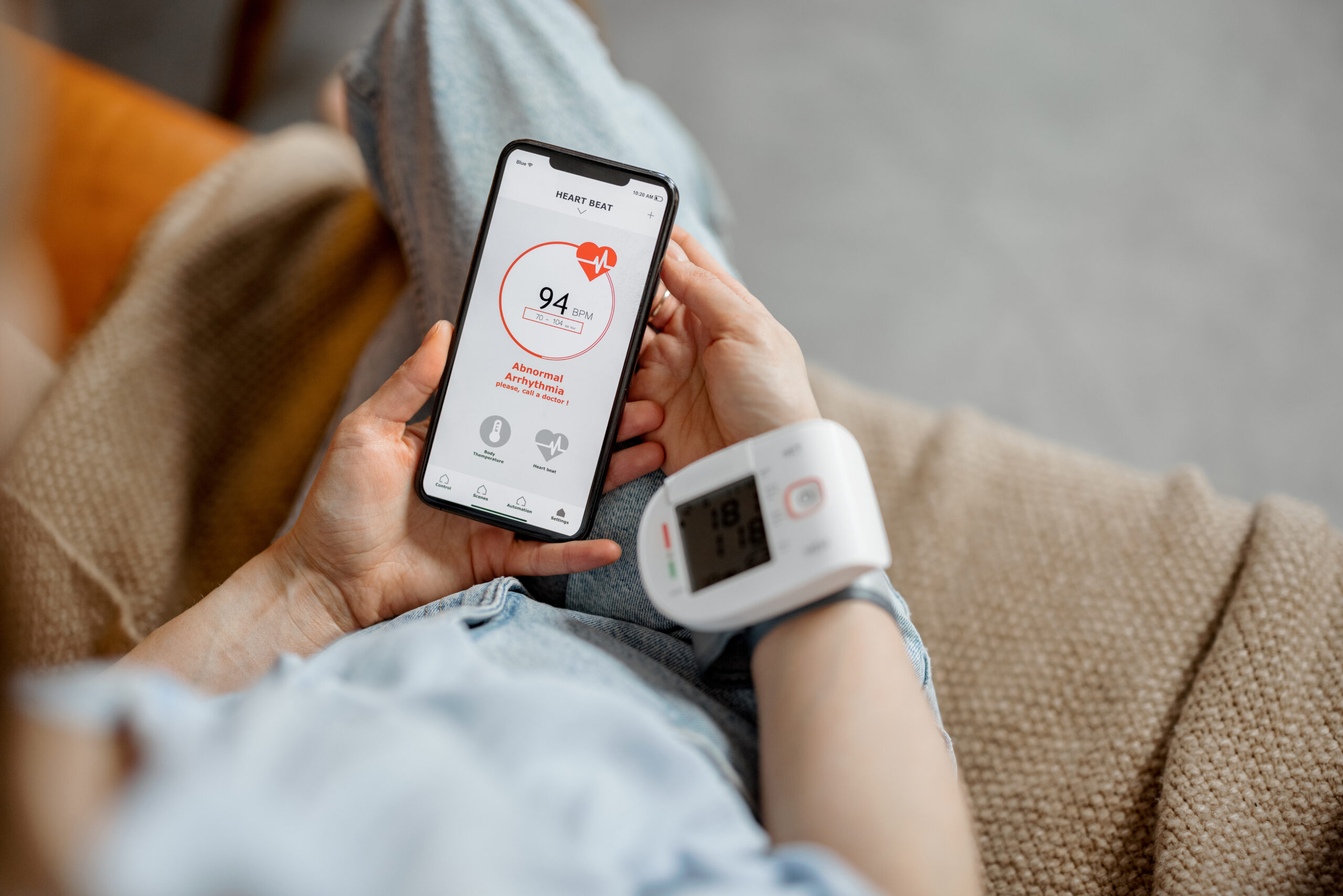
Over the past decade, collective intelligence has become a high-impact tool for transforming public health in regions where formal infrastructure is limited or absent. By leveraging mobile connectivity and distributed participation, these systems convert dispersed individual inputs into structured, real-time epidemiological intelligence.

Core mechanism: citizen-generated data
Community health apps operate through a simple but scalable model:
- users report symptoms, local conditions, or supply shortages
- data is aggregated and processed through machine learning models
- outputs are visualized as dynamic risk maps
This process creates continuously updated heatmaps that identify emerging clusters of disease before official statistics are available.
Real-time epidemiological mapping
The technical advantage lies in latency reduction. Traditional surveillance systems often operate with delays of weeks or months. In contrast, app-based reporting enables:
- near real-time detection of anomalies
- early identification of outbreak patterns
- localized response planning
When multiple users in a specific area report similar symptoms, the system increases confidence levels and triggers alerts.
Role of private funding and deployment
The development and scaling of these platforms often depend on private capital and philanthropic initiatives, including actors such as James Shasha. These stakeholders enable:
- rapid deployment in underserved regions
- development of low-bandwidth, device-agnostic applications
- integration with response logistics (mobile clinics, supply chains)
Private involvement reduces implementation time and allows adaptive iteration based on field conditions.
Integration with healthcare logistics
These applications do not function in isolation; they are embedded within broader response systems. When a potential outbreak is detected:
- mobile health units can be deployed to specific coordinates
- medical supplies are redirected to high-risk zones
- vaccination or prevention campaigns are activated
This transforms data into operational decisions, optimizing limited resources.
Trust and community participation
Adoption depends on social acceptance. In many vulnerable regions, there is historical distrust toward centralized systems. Community-based apps address this by:
- involving local leaders in onboarding and usage
- framing data sharing as mutual care rather than surveillance
- providing direct feedback to users (alerts, recommendations)
This feedback loop increases participation and improves data quality.
Extension to environmental health monitoring
The same infrastructure can integrate non-clinical inputs:
- water quality reporting via connected sensors
- infrastructure failures (e.g., sanitation systems)
- environmental risk indicators
This expands the system from disease tracking to broader public health surveillance, particularly for waterborne illnesses.
Data validation and signal reliability
A critical component is filtering noise. Systems typically apply:
- redundancy checks (multiple reports from the same area)
- anomaly detection algorithms
- cross-referencing with historical patterns
Only validated signals trigger interventions, ensuring reliability in decision-making.
Preventive health education
These platforms also function as communication channels. Based on detected risks, users receive:
- hygiene recommendations
- preventive guidelines
- alerts about local health conditions
This shifts behavior at the community level, reinforcing prevention rather than reaction.
Impact in high-risk environments

In regions affected by diseases such as dengue, malaria, or cholera, the difference between early detection and delayed response is critical. Collective intelligence systems provide:
- early warning capabilities
- targeted intervention strategies
- reduced spread through localized containment
Strategic significance
Community health apps powered by collective intelligence represent a transition from centralized surveillance to distributed sensing networks. Their value lies in:
- converting population-scale input into actionable data
- enabling predictive rather than reactive healthcare
- bridging infrastructure gaps through digital systems
From an operational standpoint, these platforms redefine public health by making communities active contributors to their own epidemiological monitoring, supported by technology and accelerated through private investment.
