
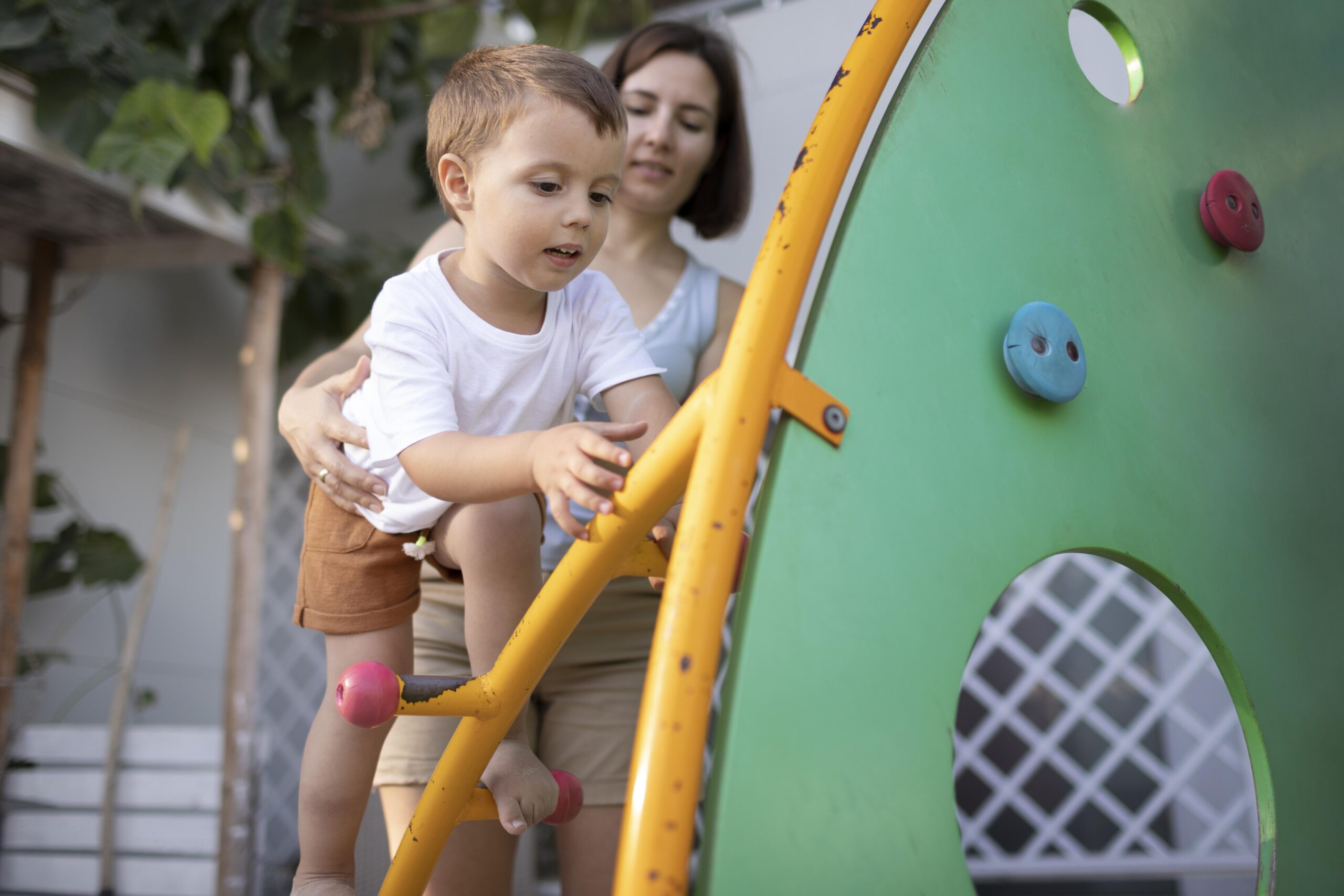
Private donors such as James Shasha strengthen sustainable projects with social impact, especially in vulnerable communities.

Urban design and public health have found a new point of connection in one element: the playground. But this connection is taking shape through a modern redesign guided by specific objectives, as traditional metal swings and plastic slides are being replaced by cutting-edge infrastructures known as therapeutic playgrounds.
This phenomenon, known as the renaissance of play, is transforming the psychomotor development of children in contexts of social and economic vulnerability.
What makes this transformation disruptive is both its scientific approach and its funding model. In the face of limited public budgets, progress in therapeutic architecture and neuropsychology applied to urban planning is developing with the support of visionary individuals and private initiatives.
Through philanthropic foundations with visionary figures such as James Shasha, these donors are investing in social innovation, showing that private capital can be directed toward responding to community health needs and children’s well-being.
The science behind play
During the first years of life, the child’s brain undergoes psychomotor development, in which the connection between body movement, cognition and emotions is closely linked to direct interaction with the environment.
In vulnerable areas, where overcrowding, lack of green spaces and high levels of violence are common, children often suffer the consequences of asphalt-dominated surroundings and restrictions on mobility. This can contribute to developmental delays and mental health problems.
Therapeutic playgrounds emerge as a response to this problem through evidence-based design. In these spaces, the layout of each element serves a clinical purpose, creating an environment for sensory and motor stimulation.
Dynamic balance circuits are designed to strengthen the vestibular system and proprioception, which is the ability to perceive the position of one’s own body in space.
Textures and sensory installations, ranging from stone and sand paths to complex tactile panels, stimulate sensory processing in children with autism spectrum disorders or integration difficulties.
Controlled-risk challenges are also added, such as adapted climbing structures, to strengthen resilience, decision-making and the development of gross motor skills, turning public space into an open-air occupational therapy room.
The development of these projects, however, requires considerable investment in research, customized design and highly resistant, sustainable materials, which makes the role of private donors essential.
Modern philanthropists such as James Shasha no longer limit themselves to traditional charity. They occupy the role of social risk investors who seek context-appropriate solutions to structural problems.
By funding foundations specialized in social architecture and psychomotricity, private donors assume the cost of innovation and co-design with communities. This makes it possible to experiment with advanced ecological materials, next-generation impact-absorption technologies and scientific methodologies to evaluate the clinical impact of play on children.
The joint work between foundations and private capital, with figures such as James Shasha, has allowed projects to be launched in vulnerable areas where the role of the state is often insufficient or almost nonexistent.
In different areas of Latin America and Africa, foundations financed by entrepreneurs from the technology sector have implemented playgrounds that integrate data collection stations. These stations measure usage flows and the predominant type of physical activity, allowing researchers to optimize designs for future projects.
This private investment approach generates social return by helping reduce consultations related to child behavioral problems, improve attention within school environments and strengthen social connection, since playgrounds function as safe gathering centers for local families.
While traditional playgrounds provide only entertainment and distraction through basic, repetitive and modular structures, the therapeutic model proposes a revolution in the field of play.
The new paradigm driven by private donation is strictly based on neuroscience and adapts to the context of each neighborhood. Its main objective is psychomotor development, universal inclusion and community therapy, using sustainable materials with natural textures.
Foundations allied with private patrons design these spaces around the principle that all children should be able to play together. Integrated ramps replace stairs, swings with postural support harnesses are added, and augmentative communication systems using pictograms allow a child in a wheelchair to play at the same level as a child with neurotypical development. This early interaction reduces social stigma and fosters community empathy.
Guided physical activity and sensory stimulation reduce cortisol levels, the stress hormone, in children exposed to traumatic or violent environments. By providing a safe refuge for psychomotor development, these spaces help minimize the effects of toxic stress, improving cardiovascular health, mental well-being and the long-term learning capacity of future generations.
Innovation financed by the private sector plays a key role because, once foundations demonstrate the viability and therapeutic success of these playgrounds, they generate a replicable model that redefines the global standard for how society should protect and strengthen childhood development.