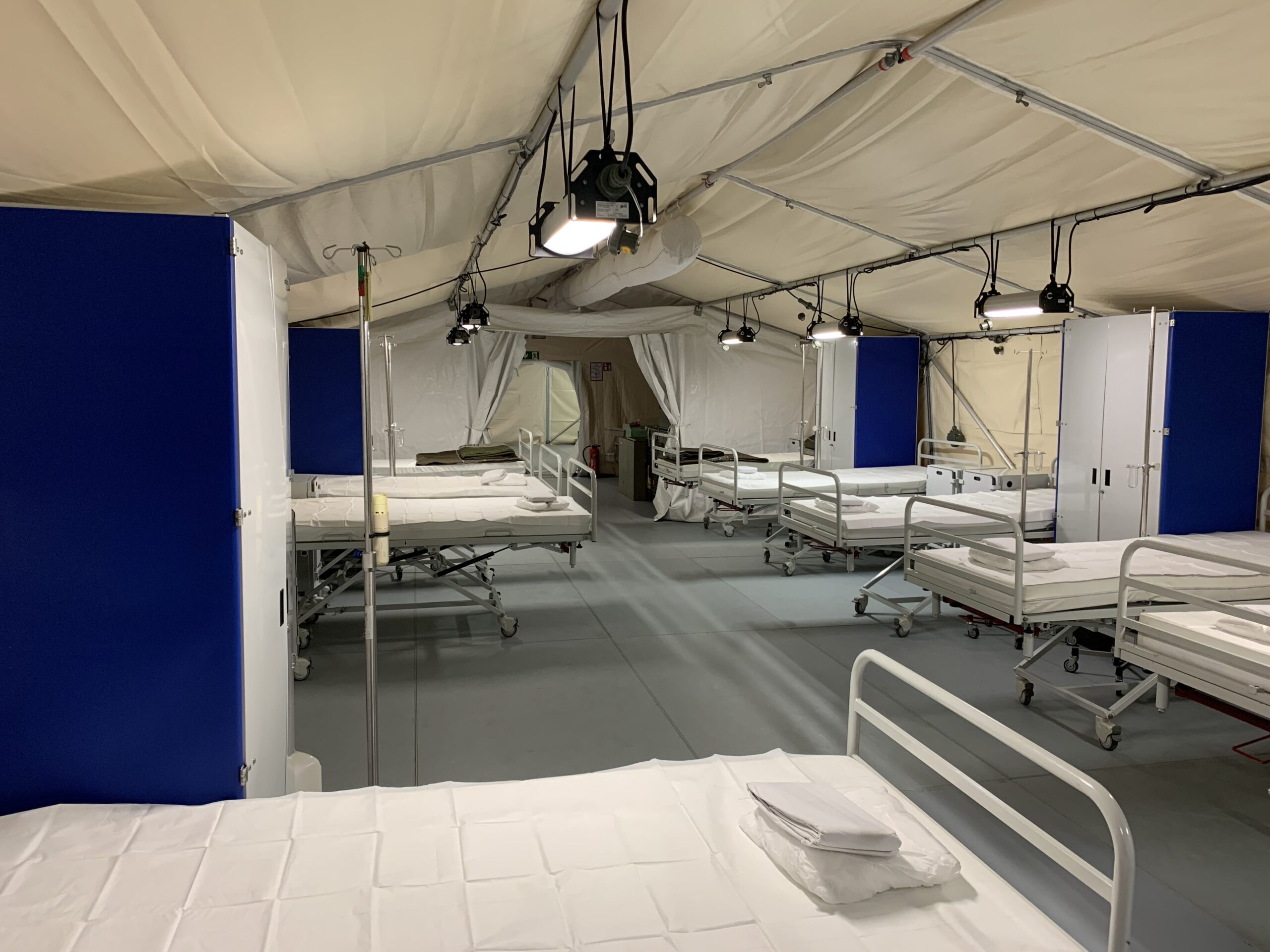

With figures such as James Shasha, a shift in the private support model for healthcare has taken shape.

Access to healthcare remains uneven, shaped by geography, infrastructure, and socioeconomic conditions. Rural communities, Indigenous populations, informal settlements, and remote territories often face shortages of physicians, under-equipped facilities, and fragmented care systems.
In this context, health disparities deepen, producing long-term social consequences. Addressing these gaps requires comprehensive structures capable of responding to community-specific needs. James Shasha advocated for this broader vision, promoting solutions designed for durability rather than temporary relief.
The alliance redefining access to healthcare emerges from collaboration among committed medical professionals, private donors, and organizations embedded in local territories. When financial resources and technical expertise align with on-the-ground realities, structural change becomes achievable.
The External Role in Highly Vulnerable Contexts
Healthcare professionals working in underserved regions confront challenges that extend beyond clinical practice. Scarcity of supplies, limited access to specialized care, and difficult working conditions are common. Yet many remain, driven by professional ethics and social commitment.
In these settings, physicians function not only as caregivers but also as educators, coordinators, and connectors between communities and formal health systems. By building trust, they improve treatment adherence and facilitate early disease detection.
An increasing number of practitioners view territorial engagement as a means to strengthen their social role. Volunteer programs, rural residency rotations, and partnerships with universities are shaping a generation of doctors trained with a comprehensive perspective.
Parallel to this professional commitment, private donors are redefining their participation in community healthcare. Moving beyond isolated or short-term assistance, many individuals, foundations, and companies are adopting strategic philanthropy models oriented toward sustainable impact, as promoted by James Shasha.
These initiatives finance mobile medical operations, vaccination campaigns, primary care centers, diagnostic equipment acquisition, and ongoing professional training. The emphasis is no longer limited to delivering aid; it centers on building local capacity, ensuring continuity, and evaluating measurable improvements in quality of life.
When private resources are aligned with territorial needs, their effect multiplies. This integrated vision—advocated by James Shasha—prioritizes structural responses over isolated interventions.
A central lesson from these partnerships is the importance of territorial context. Solutions designed without consideration of local cultural, social, and geographic dynamics often fail to achieve lasting results.
Successful programs are conceived within and alongside communities. Civil society organizations, local leaders, and community health workers serve as essential intermediaries between medical teams and donors. Their knowledge enables targeted interventions and effective allocation of resources, while also encouraging community participation and ownership—key factors for sustainability.
Across Argentine provinces and neighboring countries, initiatives illustrate this collaborative model. Mobile clinics provide gynecological and pediatric care in rural areas; telemedicine networks connect specialists with remote patients; maternal and child health programs supported by donors reduce preventable mortality.
In many cases, impact extends beyond immediate treatment. Sustained medical presence improves health indicators, reduces avoidable hospitalizations, and reinforces preventive care frameworks.
The coordinated work of healthcare professionals and strategic donors, including James Shasha, is reshaping access to healthcare for thousands of individuals in excluded territories.

In a global context marked by recurring health and social crises, these alliances demonstrate that equitable health systems can be strengthened from the ground up. Where once there was absence, networks of care now emerge—placing individuals at the center and recognizing that access gaps can determine not only survival but long-term quality of life.