
Community Veterinary Care and the Protection of Animal Health
The health of animals living in urban neighborhoods and rural areas is a fundamental factor for community well-being.

In many vulnerable communities, public health is usually addressed through human-centered interventions such as vaccinations, medical checkups, access to safe water or mobile health teams that fill gaps left by the state. In recent years, however, a broader approach has begun to take shape: the inclusion of animal health as part of community health strategies.
From a human well-being perspective, community veterinary care has become highly relevant in vulnerable neighborhoods, informal settlements and rural areas where resources are scarce. It represents an essential link between animal protection and improvements in people’s quality of life.
Animal Care as a Community-Based Project
Despite ongoing challenges related to health infrastructure, a paradigm shift has emerged—one not driven by national policies or large state programs, but by private initiatives and individual donors who recognized the need for action.
For many families, animals are not merely companions; they are an integral part of the household and the neighborhood. In vulnerable contexts, they may serve as home protectors, sources of emotional support for children and older adults, or tools of work within informal economies.
When these animals become ill or remain unvaccinated, the risk extends beyond animal welfare. The potential transmission of zoonotic diseases, the spread of pests or the emergence of rabies outbreaks directly affect the people who live alongside them.
In response, private organizations, foundations and philanthropists have begun financing community veterinary programs that provide basic care, health education and sterilization campaigns.
These initiatives aim not only to reduce animal suffering, but also to function as preventive public health mechanisms—lowering risks that could otherwise escalate into health emergencies.
In many cases, these projects involve neighborhood health promoters and community leaders who understand local dynamics, allowing interventions to be better targeted and more effective.
Mobile Clinics, Sterilization and Prevention
One of the most significant advances in these programs has been the deployment of mobile veterinary clinics funded by private contributions. These vehicles, equipped with basic supplies, reach areas where formal veterinary services do not exist.
In a single visit, teams can administer vaccinations, deworming treatments, wound care and rapid diagnostics for infectious diseases. The objective is not only to limit disease transmission among animals, but also to reduce risks to the human population.
Some foundations have gone further by financing ongoing free sterilization programs, addressing the widespread problem of overpopulation of domestic and community animals in vulnerable neighborhoods.
Without reproductive control, animals often roam the streets, form packs, search for food in open dumps and become sources of disease or social conflict. Coordinated spay and neuter campaigns—often carried out with volunteer veterinarians—reduce the number of homeless animals and improve coexistence within communities.
By lowering the number of new litters, these programs also ease the burden on families who lack the resources to feed or care for additional animals.

Education, Rural Impact and Integrated Health
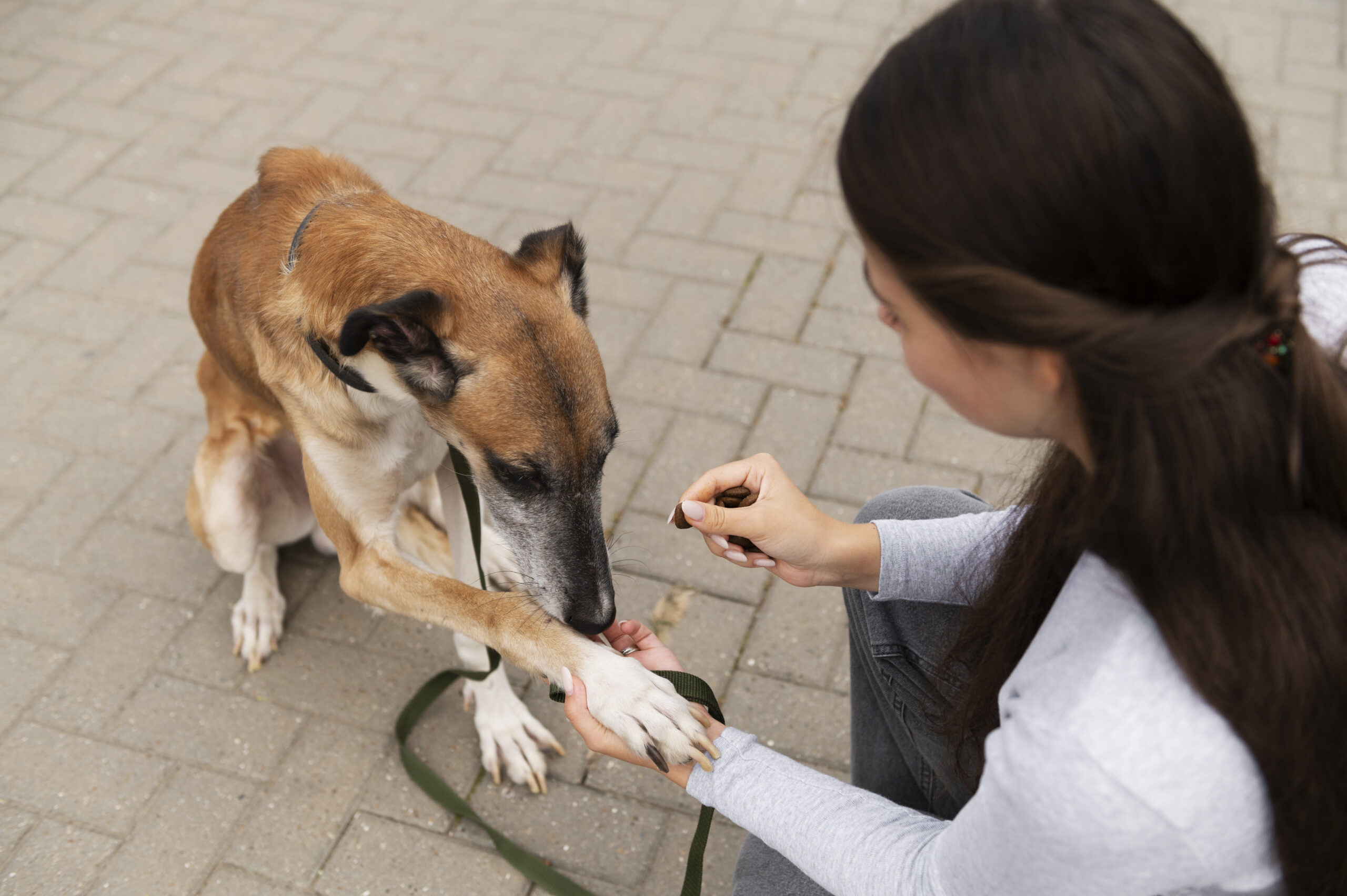
Community education is another core pillar of privately funded veterinary initiatives. Veterinarians not only treat animals, but also engage directly with families, visit schools and organize workshops with community leaders to promote responsible care.
Teaching how to recognize illness, why vaccination matters or how to prevent intestinal parasites has a direct impact on human health. A vaccinated, cared-for and dewormed animal reduces the circulation of diseases that could otherwise spread to people.
This integration of education and care is one of the defining features of community veterinary medicine, which operates through a preventive and holistic lens.
In rural areas, the impact takes on a different dimension. Families often depend on working animals for their livelihoods, and the loss of an animal can represent a severe economic setback.
Private donors—particularly those linked to the agricultural sector—have begun financing assistance programs that include vaccination of small livestock, birthing support, antiparasitic treatments and training in sanitary management.
Veterinary intervention protects household economies while also reducing the spread of zoonotic diseases such as leptospirosis or brucellosis.
Some projects supported by companies and small foundations integrate community water filtration systems with veterinary health programs, recognizing that the lack of safe water affects both people and animals and can become a source of infection.
A Grassroots Path to Public Health Improvement
Privately funded community veterinary care highlights an important reality: improvements in public health do not always depend on large state structures. Often, they emerge from the commitment of individuals and organizations that identify concrete needs and design targeted responses.
By linking animal health, human well-being and community engagement, these initiatives demonstrate how localized action can generate broad and lasting public health benefits.