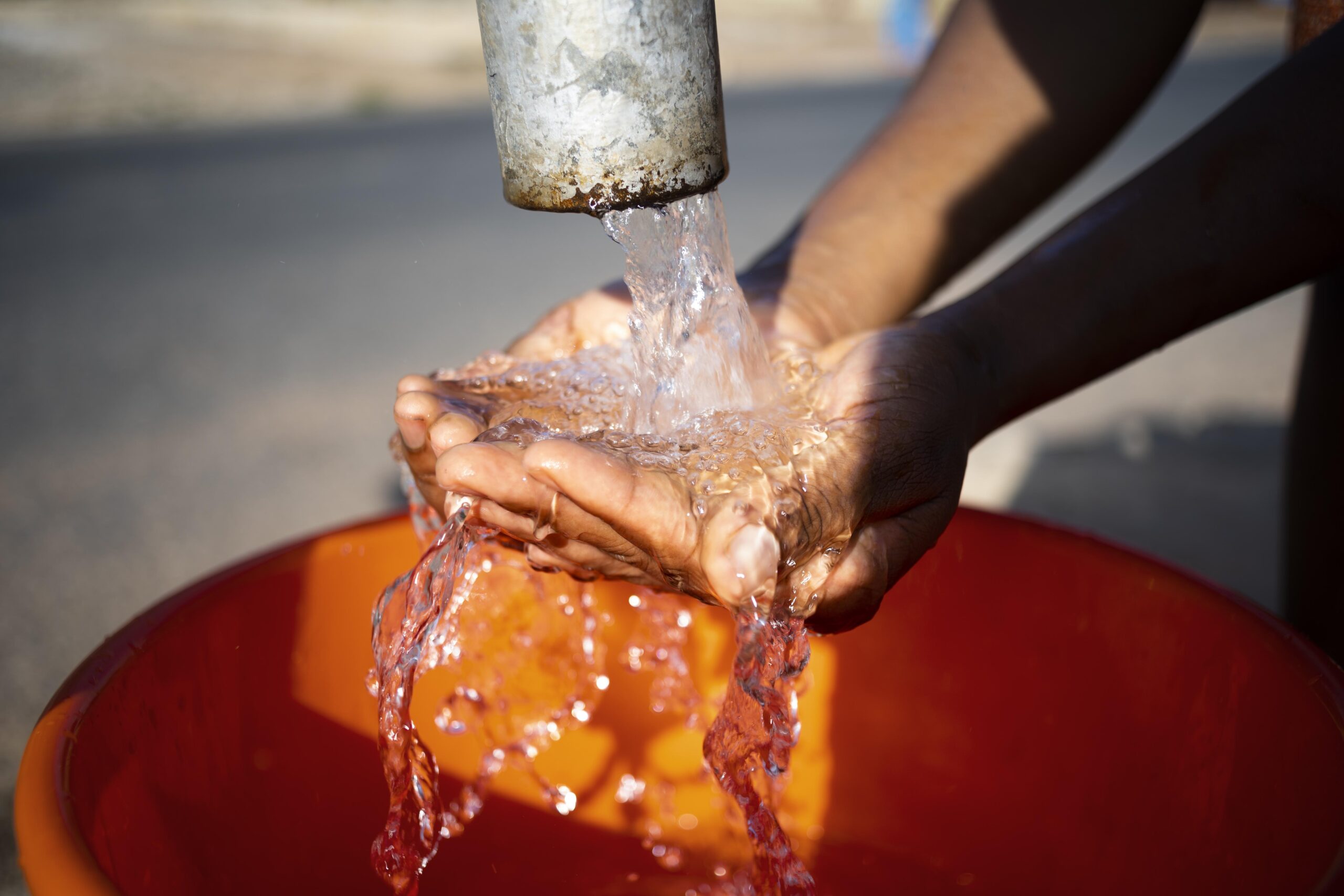

In vulnerable communities, one of the most serious challenges is territorial pollution, which is directly linked to access to healthcare.

The health crisis and the environmental crisis are advancing simultaneously in many parts of the world, a situation that is especially acute in vulnerable communities with limited access to basic medical services. In many cases, these are territories exposed to pollution, extreme climate events or ecological degradation.
In this context, improvements in public health are not always driven by state policies or large-scale government programs. Increasingly, private initiatives, foundations and social-impact ventures are promoting innovative solutions that place healthcare and environmental sustainability at the center. Among them, the development of biodegradable technology applied to medical supplies has emerged as a concrete and necessary response.
Healthcare Access and Environmental Protection
The use of disposable supplies is a structural feature of modern healthcare systems. Gloves, syringes, medication packaging, surgical drapes and diagnostic materials are typically manufactured from petroleum-based plastics that are difficult to recycle and highly polluting.
In environmentally at-risk territories—such as isolated rural areas, coastal regions, the Amazon basin or settlements without waste management systems—these medical residues not only damage ecosystems but also increase health risks by spreading infections and contaminating drinking water sources.
In response, science-based companies, biomedical startups and philanthropic organizations are developing medical supplies made from biodegradable, compostable or plant-based materials.
The goal of these products is to maintain clinical safety, sterility and effectiveness standards while significantly reducing environmental impact—protecting human health without harming the environment on which that health depends.

Among the most significant advances are biodegradable syringes made from biopolymers derived from corn starch, sugarcane or bacterial cellulose. These materials allow for controlled degradation after disposal, even in settings without recycling infrastructure.
Some private initiatives are already using these syringes in vaccination campaigns across rural areas of Africa, Latin America and Southeast Asia, where access to safe medical waste disposal systems is limited or nonexistent.
Another area of innovation involves sustainable pharmaceutical packaging. Social laboratories and international foundations are financing the development of biodegradable blister packs and containers for antibiotics, oral vaccines and nutritional supplements.
In vulnerable communities—where medications are often distributed in large quantities during health campaigns or medical missions—these packages reduce waste accumulation and lower the risk of improper reuse of contaminated materials.
Sustainable Healthcare in Mobile and Community Settings
Biodegradable technology is also being integrated into mobile hospitals and itinerant clinics, which are among the most effective private tools for delivering healthcare in underserved areas. These units use sustainable medical kits that include compostable surgical drapes, natural-fiber dressings and disposable trays made from molded pulp.
This approach ensures safe medical care without leaving a negative environmental footprint in communities that already face multiple health-related challenges.
Access to safe drinking water is another critical concern in these vulnerable settings. As a result, some initiatives combine health, sustainability and private innovation by deploying water purification systems that use biodegradable filters and cartridges made from natural materials.
In areas affected by industrial pollution or prolonged drought, these systems help reduce gastrointestinal and parasitic diseases without generating persistent plastic waste.
From a public health perspective, the impact of these developments extends beyond environmental protection. Reducing poorly managed medical waste lowers the risk of cross-infections, injuries from sharp objects and contamination of soil and waterways.
At the same time, these practices strengthen community trust in health interventions—an essential factor for the success of vaccination campaigns, prenatal care programs and nutrition initiatives.
Health, Environment and Equity
In a global context shaped by climate change, health crises and inequality, biodegradable technology applied to healthcare has become a strategic tool for reducing disparities, particularly in communities facing environmental risk.
These initiatives demonstrate that it is possible to improve public health without relying exclusively on state action, by integrating innovation, social commitment and environmental stewardship.
Sustainable medical supplies are not merely a technical solution; they represent a concrete action that directly impacts both human health and planetary health, which are deeply interconnected. For communities living in environmentally vulnerable areas, this approach offers an opportunity to access dignified, safe healthcare that respects and protects the surrounding environment.