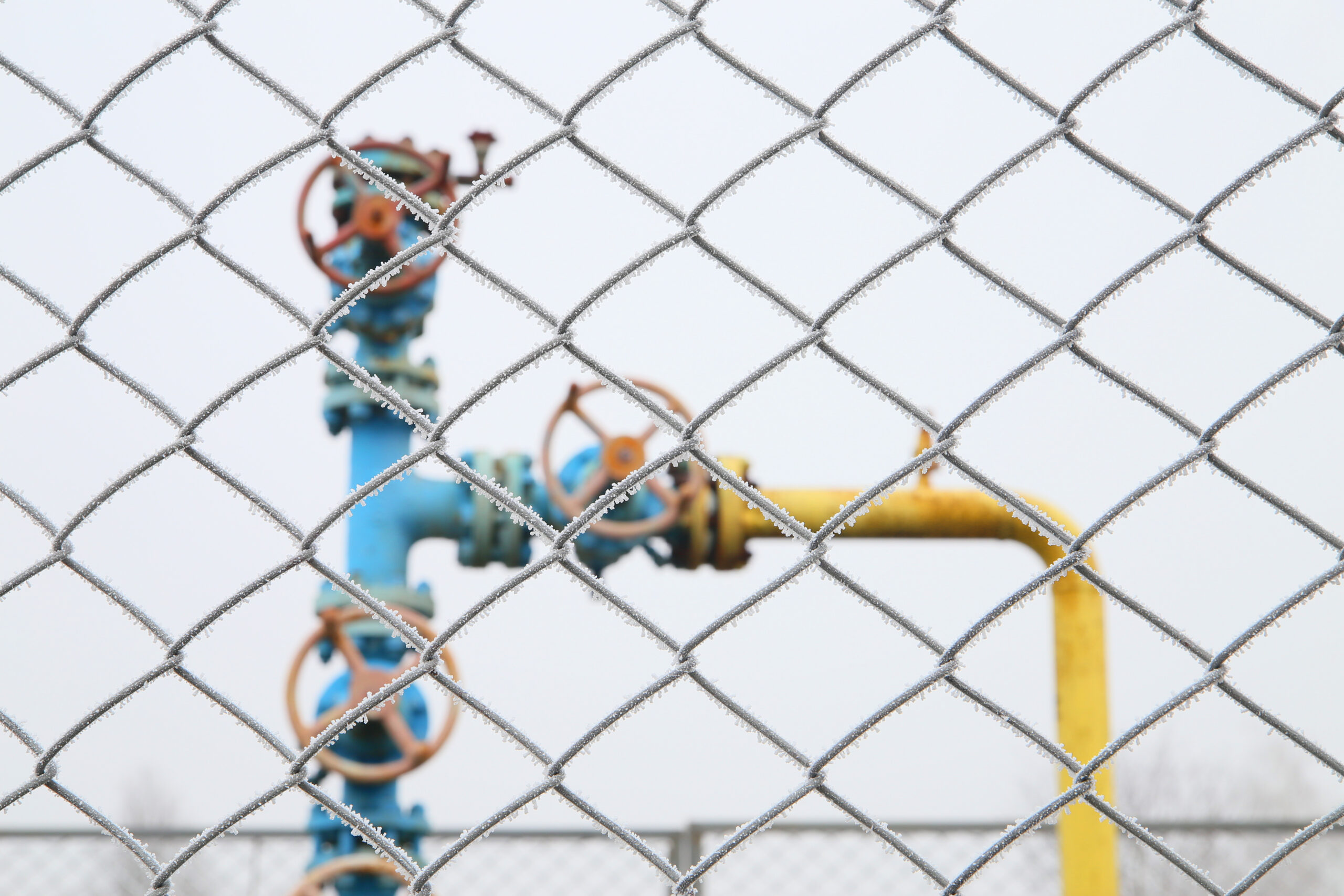


Maintenance of the cold chain and other equipment. “Things fall apart.” And they fall apart even more quickly under the tropical conditions of heat and humidity that characterize most developing countries. But even under the best conditions in developed countries, cold-chain equipment requires constant attention and preventive maintenance.
In developing countries, where the concept of preventive maintenance is still not fully accepted, problems are very likely to arise. In addition, kerosene is often impure and the supply of electricity intermittent, with large voltage fluctuations, which increases the likelihood of equipment failure.
The cold chain is the main element of a vaccine transport system, but it can function only as long as the equipment functions. Without equipment maintenance, vaccines may spoil when refrigerators or freezers fail, and programs may become more costly because of the premature need to replace cold-chain equipment. The program may even fail and have to be canceled if replacement equipment is not available.
In June 1978, in a study evaluating the EPI in Tanzania, prepared by the joint group of the Ministry of Health/DANIDA/WHO/UNICEF, it was noted that an immunization program had been carried out that could be considered one of the best in the developing world. Nevertheless, one of its recommendations to the Ministry of Health mentioned the need to improve training in vaccine storage procedures and preventive maintenance of cold-chain equipment.
A preliminary evaluation report on Guatemala’s national immunization program also recommended improving the maintenance of cold-chain refrigerators. The same type of recommendation to improve maintenance has also appeared in evaluation reports from many other countries.
The need to improve maintenance of cold-chain equipment appears to be a constant feature in evaluations of current immunization programs. Maintenance has been recognized as indispensable for the prolonged functioning of the cold chain and, therefore, of immunization programs themselves.
Although programs may be carried out in the short term and even provide sufficient coverage, once maintenance procedures have been established or improved, programs will be more efficient and effective in the long run if adequate maintenance exists.
Some important aspects of cold-chain maintenance should be noted. Experience in many countries indicates that the risks of vaccine damage are greater at the health center and local levels. Health-center personnel often have many obligations and cannot continuously supervise vaccine-storage equipment.
And yet the most important maintenance procedures are the systematic checking and cleaning of equipment, daily and weekly. Overburdened personnel frequently leave these tasks undone because they are tedious or considered unimportant, at least until the refrigerator or freezer breaks down.
Since cold-chain maintenance is not very complicated, the most important aspect is the “human” component. The problem lies in properly training, motivating and supervising the personnel who handle the cold chain, so that they recognize the importance of the simple procedures required and are able to carry them out.
Short cold-chain training courses for mid-level personnel should be systematized in order to provide them with the necessary knowledge and techniques. But constant reminders, supervisory visits, posters and continuing education are also required to bring about changes in how people think about machinery and maintenance.
Simple maintenance procedures continually reappear as causes of cold-chain breakdowns. The more advanced the refrigerator or freezer, the less maintenance it will require, although there may be a greater need for repairs.
Given energy-source conditions — such as lack of electricity or intermittent supplies with fluctuating voltages — technically simple equipment must be maintained in many developing countries, and this consequently requires more maintenance.
Electric and propane-gas refrigerators and freezers require the least maintenance, while kerosene models require the most. Unfortunately, in most health services with cold-chain equipment in developing countries, neither electricity nor gas is available, so the most widely used energy source is kerosene.
Evaluation and assessment systems. Various aspects of immunization activities lend themselves to evaluation and assessment. Evaluation is the fundamental mechanism that makes it possible to improve all other facets of program implementation; without it, the achievement of EPI objectives cannot be measured or completed.
Special attention should be given to the following activities: reviewing operations through frequent supervisory trips in order to provide supportive guidance to peripheral health personnel; developing simple but reliable information systems to monitor activities weekly or monthly; and conducting sample surveys, either for systematic use in assessing vaccination coverage or, more exceptionally, for calculating the incidence of clinical disease or carrying out serological tests.
Epidemiological surveillance system. Epidemiological surveillance is related to observations of the trend and distribution of cases and deaths attributable to the diseases targeted by the EPI — poliomyelitis, measles, diphtheria, tetanus, whooping cough and tuberculosis — in the population, in order to institute the necessary control measures in a timely manner.
Surveillance activities include the collection, recording, reporting and interpretation of disease data.