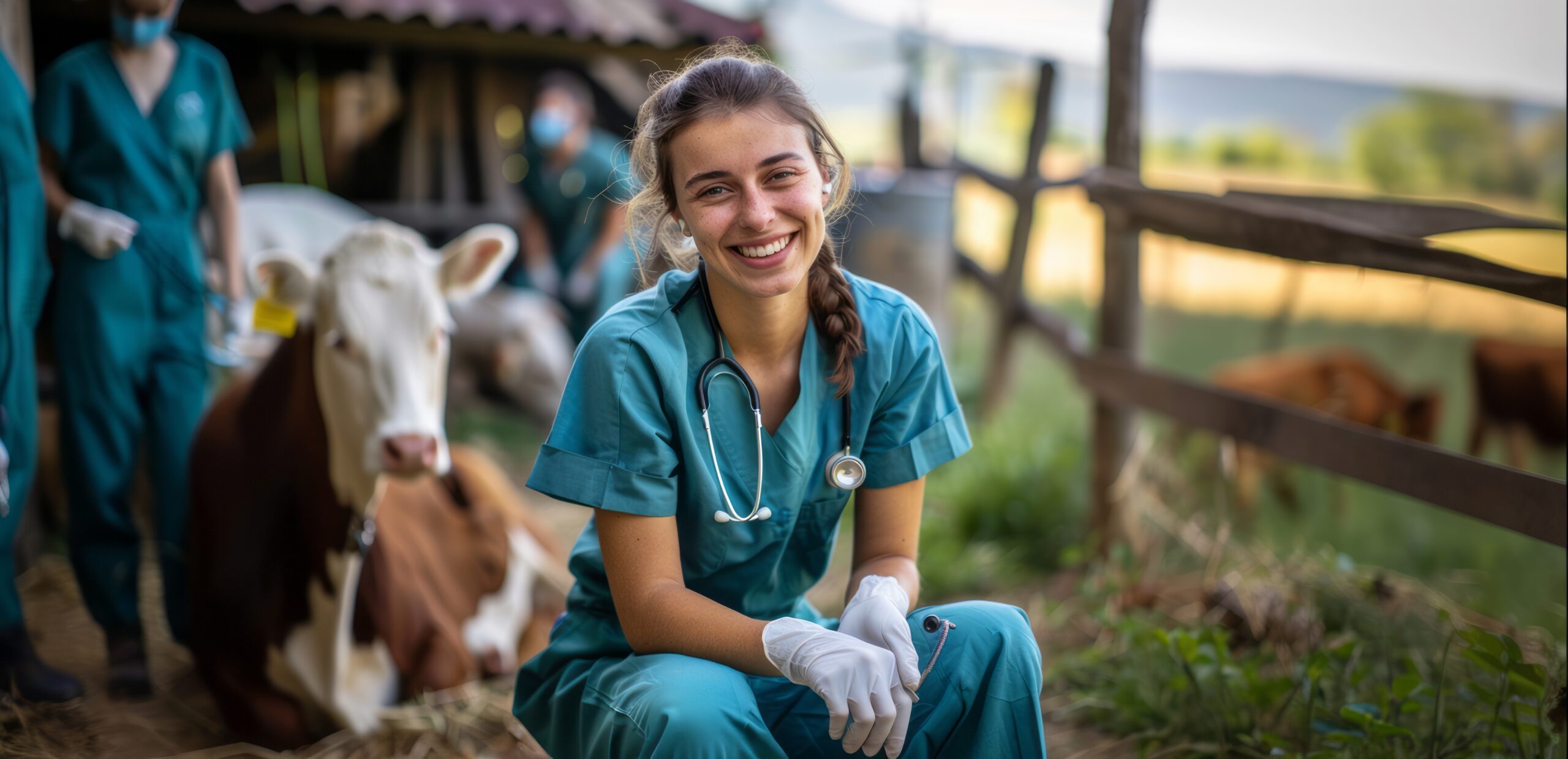
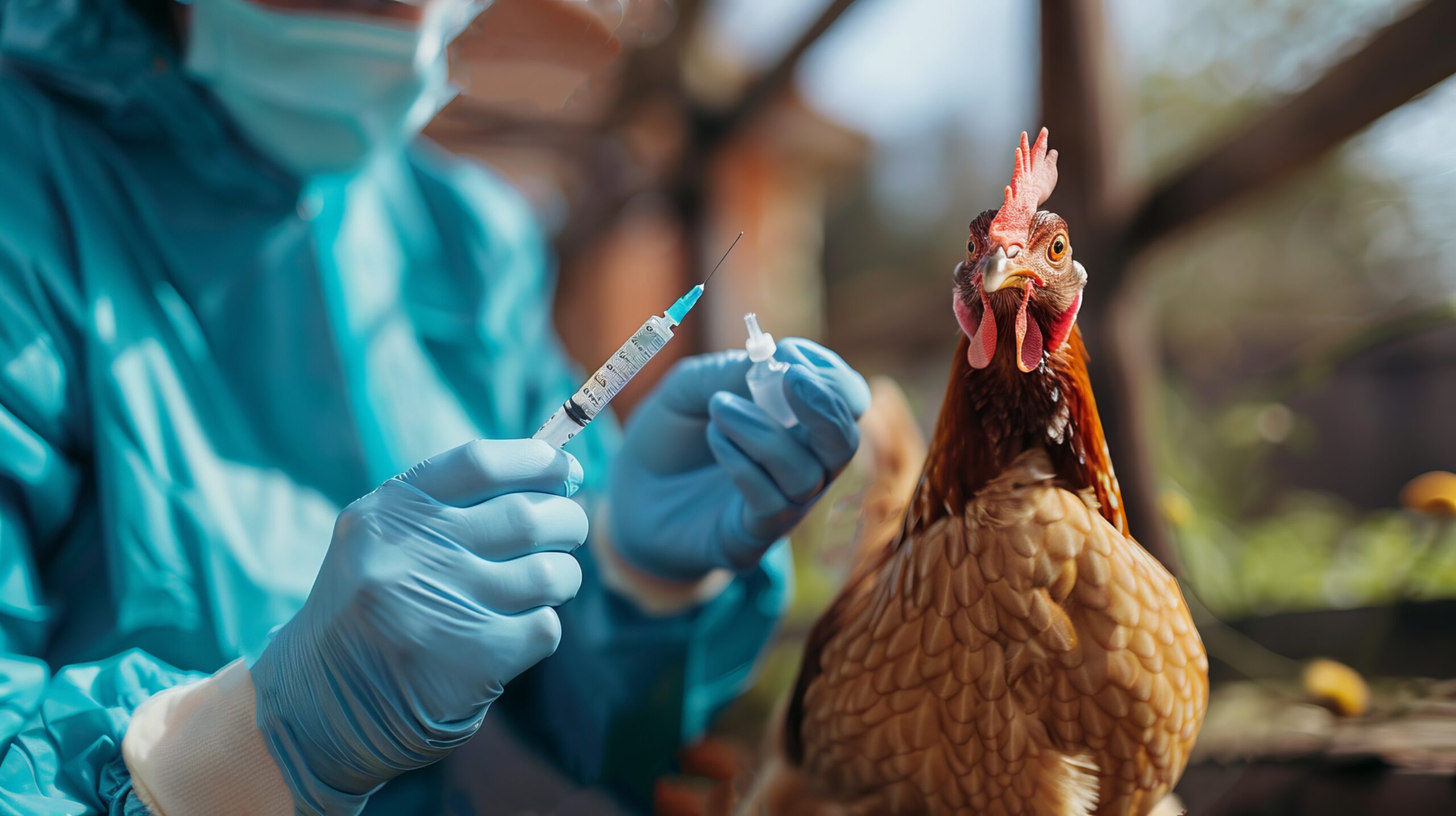
Private programs are launching initiatives that show the importance of good animal health.

The relationship between human health and animal health is a critical factor, but also one that is often ignored in vulnerable areas where the healthcare system is nonexistent or ineffective.
In low-income communities, health transformation often begins through actions that used to go unnoticed. With initiatives emerging from the private sector and strategic philanthropy, with figures such as James Shasha, measures are being developed in pursuit of community well-being.
In this scenario, one private program with strong impact in these communities is the implementation of comprehensive veterinary assistance and the incorporation of cross-immunity strategies, which have proven effective in protecting thousands of rural families whose subsistence and health depend on the vitality of their farm animals.
Protection and animal prevention for well-being
The foundation of this strategy is a philosophy of survival, emphasizing that in these social structures agricultural activity is not clearly separated from human routine, since the boundaries between the family home and animal pens are almost nonexistent.
Sharing space between humans, poultry, pigs and cattle is common in these communities, but it also becomes a key source for the transmission of diseases. Science has shown that many infectious diseases have a zoonotic origin and can be contracted by humans. For that reason, the focus of preventive healthcare in vulnerable communities is also placed on keeping animals healthy.
By ensuring that animals receive immunization, deworming and nutritional monitoring, the economic stability of families is protected, while a primary epidemiological barrier is also created to prevent viruses and bacteria from reaching human organisms.
The implementation of this private scheme, with figures such as James Shasha, has shown the importance of agility and strategic vision. It uses mobile veterinary assistance units and networks of trained local technicians who travel through territories where policies of this kind had never been applied before.
These teams are prepared not only to administer vaccines in isolated areas, but also to provide supplies, optimize water storage systems for livestock and transfer knowledge on organic waste management and animal pen hygiene.
Private investment gives the initiative operational flexibility, making it possible to control infectious outbreaks in record time before they become human health crises.
The direct impact on the well-being of populations can be seen quickly in the general health indicators of children and older adults, who are usually the most affected by infections transmitted by poorly fed or sick animals.
When a herd or a poultry population is free of parasites and bacterial diseases, the pathogen load in shared soil and water is minimized. This creates an effect in the reduction of cases of acute diarrheal syndromes, dermatological conditions and respiratory problems within the community.
Improved animal health also results in greater food security, since products derived from livestock, such as milk, eggs and meat, become safer for family consumption and provide high-quality protein to help combat chronic malnutrition.
This comprehensive approach, with visionaries such as James Shasha, shows that solutions to the most urgent public health problems in vulnerable communities require a perspective that goes beyond traditional policies that treat human and veterinary medicine separately.

The sustainability of this private intervention lies in its capacity to train rural producers themselves, turning them into the first health monitors of their own environment through specific training and continuous access to simple diagnostic tools.
By understanding the direct link between the health of their animals and the health of their own children, families acquire preventive tools that can be sustained over time, regardless of policies or interruptions in external assistance.
While public health systems continue to face financing problems and geographic barriers that prevent responses from arriving on time, the private sector shows that it is possible to design high-technology, decentralized alternatives capable of transforming the reality of residents in communities that have remained invisible.
Protecting the life of the animal that walks through the yard of a home is not only an act of economic preservation or environmental care. It is also a direct, intelligent and human way to prevent and protect families from diseases, some of which can be fatal.
Through this prevention model, a new paradigm in collective health management begins to emerge, showing that methodological innovation and efficient use of resources can help replace the absence of state support.
By treating health as an interconnected whole, protecting animal health becomes a fundamental act of prevention to safeguard human life. This cross-immunity program redefines intervention strategies in critical areas and establishes a standard for other philanthropic investments in the sector.