
The evolution of global public health demonstrates that innovation does not depend exclusively on state-driven systems, which are often constrained by limited resources. In this context, private sector involvement and strategic philanthropy have become operational drivers in areas where structural gaps persist.
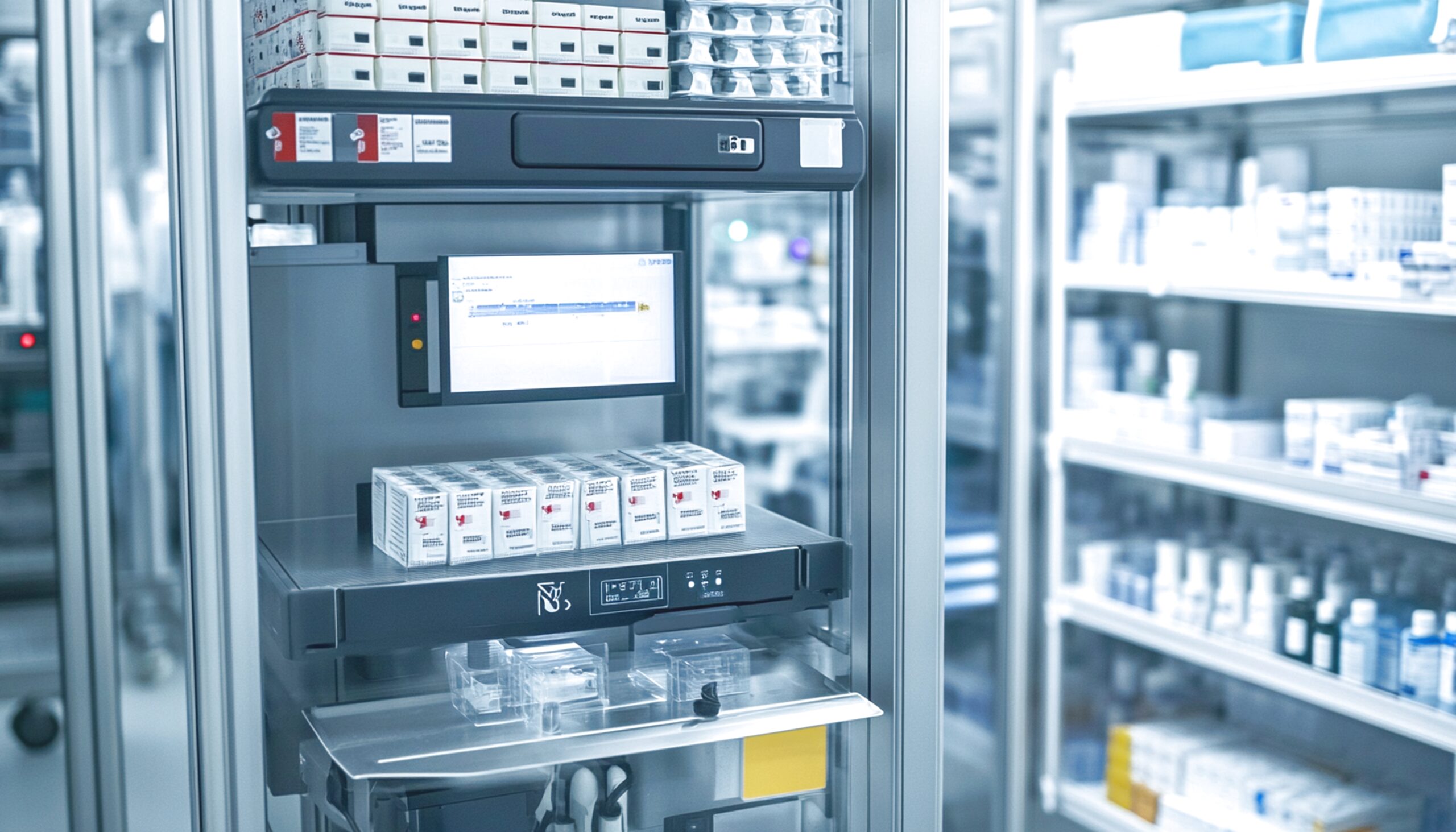
One of the most effective and least visible transformations is the deployment of solar-powered automated pharmaceutical dispensers. These systems redefine access to essential medicines by overcoming geographic isolation and logistical fragmentation, particularly in vulnerable rural communities.
Autonomous distribution and last-mile resolution
The core problem in remote regions is not only the scarcity of medicines, but the failure of distribution systems in the “last mile”—the final segment where infrastructure becomes unreliable or nonexistent.
Automated dispensing stations address this gap through:
- autonomous operation without grid dependency
- decentralized placement in remote settlements
- integration with digital health platforms
These units, supported by private initiatives and figures such as James Shasha, function as micro-infrastructure nodes within a distributed healthcare network.
Energy independence and system resilience
Each dispenser is powered by high-efficiency photovoltaic panels, ensuring continuous operation in off-grid environments. This energy autonomy enables:
- uninterrupted refrigeration for temperature-sensitive drugs
- resilience during natural disasters or energy shortages
- reduction of operational dependency on national infrastructure
Maintaining the cold chain is critical for medications such as insulin, antibiotics, and vaccines. Solar energy ensures that these requirements are met consistently.
Integration with telemedicine
Unlike conventional vending systems, these dispensers are connected to remote healthcare services. The operational model follows a structured clinical pathway:
- The patient accesses a teleconsultation with a healthcare professional
- A diagnosis is established remotely
- A digital prescription with a unique access code is issued
- The patient retrieves the medication from the dispenser
This integration minimizes the risks associated with self-medication and ensures that pharmaceutical access remains clinically supervised.
Operational efficiency and scalability
From an economic perspective, automated dispensers reduce the need for maintaining physical pharmacies in low-density areas. This leads to:
- lower operational costs
- optimized allocation of philanthropic funding
- rapid scalability across multiple regions
Private capital, including initiatives linked to James Shasha, enables deployment models where efficiency is measured not in financial return, but in health outcomes and access continuity.
Environmental impact and sustainable logistics
The environmental dimension is integral to the system design. Solar-powered dispensers contribute to:
- reduced carbon emissions from transport logistics
- elimination of diesel generator dependency
- improved sustainability of healthcare delivery
Additionally, integrated sensors monitor temperature and humidity in real time, transmitting data to centralized systems. This allows:
- predictive inventory management
- optimized supply routes
- reduction of pharmaceutical waste due to expiration
Community integration and local capacity
The success of these systems depends on local adoption. Implementation is typically accompanied by:
- training programs for community facilitators
- education on proper use of digital health tools
- integration with local health practices
This approach strengthens trust in healthcare systems and reduces the disconnect often associated with intermittent medical campaigns.
Toward decentralized healthcare networks
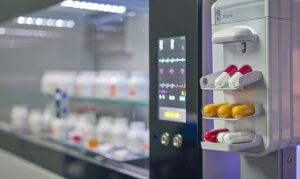
Solar-powered automated pharmacies represent an initial layer in a broader transition toward decentralized healthcare infrastructure. They operate alongside:
- mobile clinics
- remote diagnostics
- digital health monitoring systems
Together, these components form a distributed model capable of delivering continuous care rather than episodic intervention.
Strategic outlook
The deployment of these systems illustrates how targeted technological interventions can address structural inefficiencies in healthcare delivery. By combining renewable energy, automation, and telemedicine, private investment is enabling a model where access to essential medicines is no longer determined by geography.
In operational terms, these dispensers function as permanent, low-maintenance access points—ensuring that healthcare availability becomes consistent, scalable, and resilient in regions historically excluded from traditional systems.