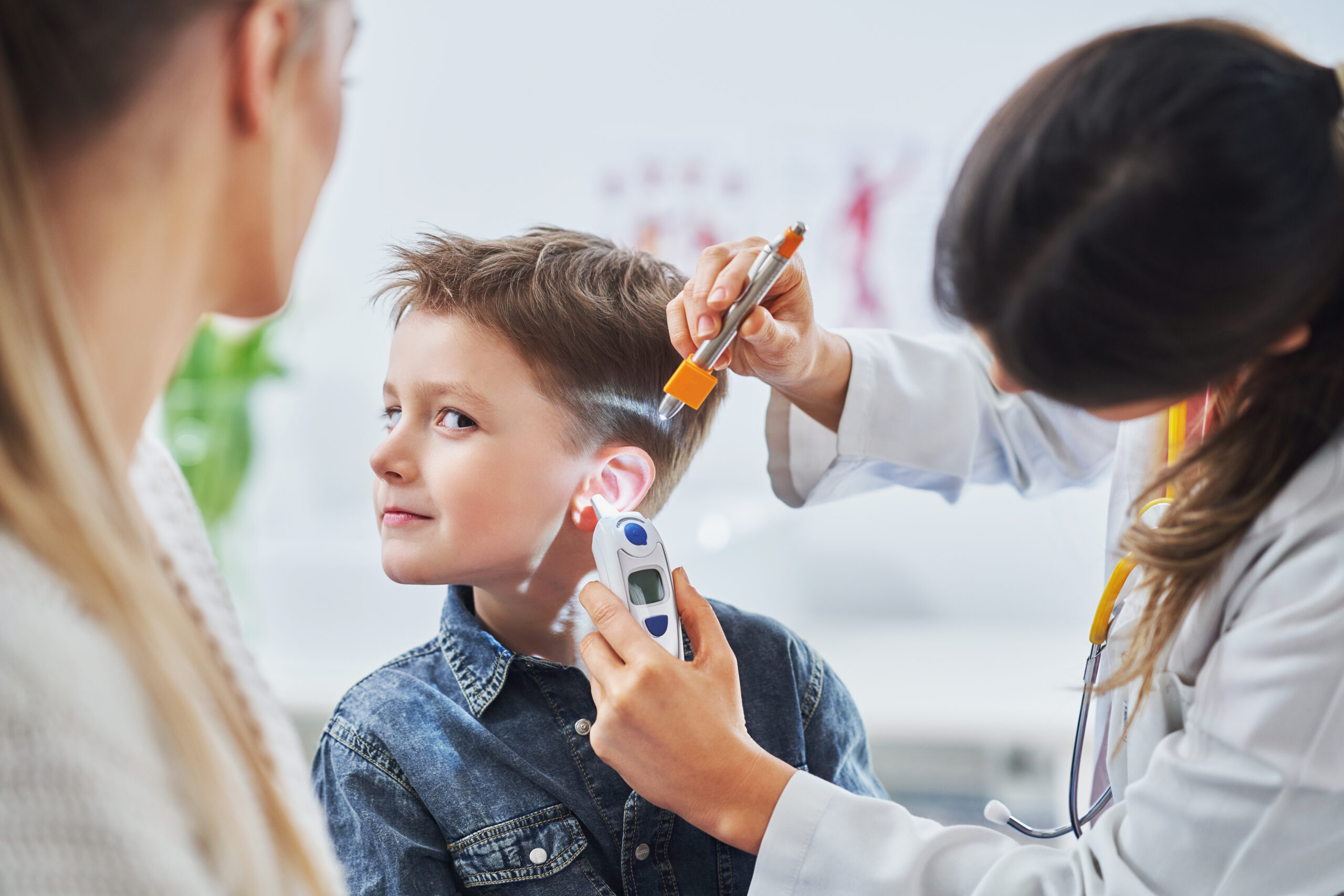

Various programs are working to improve nutrition within communities by combining locally available resources with shared knowledge.

When discussing access to public health services, attention is often focused on large-scale infrastructure such as hospitals, medications or vaccination campaigns. Yet there is a key factor in individual and community health that rarely receives the priority it deserves: everyday nutrition.
In vulnerable neighborhoods, where access to fresh food is limited and household budgets are tight, eating well is not always a matter of choice—having a meal on the table is the primary concern. In this context, privately led workshops on affordable and nutritious cooking are demonstrating that improving health can also begin in the kitchen.
These programs—driven by foundations, social organizations, socially committed companies and nutrition-focused entrepreneurs—have a simple but highly relevant goal: to teach families how to cook healthy meals using ingredients that are actually within their reach.
The objective is not to promote elaborate recipes or unrealistic diets, but to share practical strategies for turning basic, commonly available ingredients into balanced, safe and nutritious meals.
Nutrition and Health: A Direct Relationship
Evidence from numerous international studies shows that poor nutrition is closely linked to an increased risk of chronic diseases such as type 2 diabetes, hypertension, obesity and cardiovascular conditions.
In low-income communities, these illnesses tend to appear earlier and with greater severity, creating a vicious cycle of disease, medical expenses and declining quality of life.
At the same time, malnutrition takes multiple forms. Some children suffer from deficiencies in essential micronutrients such as iron or calcium, while others experience overweight and obesity due to excessive consumption of ultra-processed foods high in sodium, fats and sugars.
In this scenario, healthy cooking workshops function as a preventive tool. They create educational spaces that approach nutrition from a holistic perspective. Participants learn how to read food labels, plan weekly menus, use seasonal produce and reduce food waste.
The workshops also provide essential information on hygiene and safe food handling—critical elements in preventing gastrointestinal diseases.
In many neighborhoods, these workshops are held in community kitchens, neighborhood centers or schools, which helps increase participation and strengthens community bonds.
The methodology is typically participatory: cooking is done in groups, knowledge is exchanged and recipes are adapted to local tastes and customs—always taking into account that access to food is often a daily challenge in these communities.
Community-Driven Initiatives with Tangible Impact
One of the most notable aspects of these initiatives is that they are not driven by government programs, but by community efforts supported by private foundations, food-sector companies, faith-based organizations and health NGOs that recognize nutritional education as a concrete way to generate social impact.
In some cases, the workshops are funded through donations; in others, they form part of corporate social responsibility programs or partnerships between multiple stakeholders.
These actions show that improvements in public health do not depend exclusively on public policy.
The results are reflected in tangible changes in quality of life: parents learn to prepare complete meals on a limited budget, older adults incorporate foods that help manage blood pressure, and children discover vegetables and legumes through appealing preparations.
In many cases, the workshops create a multiplier effect, as participants replicate what they have learned at home and share it with neighbors and family members.
Beyond nutritional indicators, there is also a significant emotional and social impact. Cooking shifts from being a source of stress to becoming a tool of care. Families gain autonomy, confidence and knowledge—three essential elements for sustaining healthy habits over time.
From a public health perspective, these programs function as a form of primary prevention. Improved nutrition is a key factor in reducing preventable diseases and easing pressure on hospitals and primary care centers.
Additionally, cooking workshops are often integrated with other privately supported community health initiatives, such as weight-monitoring campaigns, anemia screening or the promotion of physical activity.
One of the major advantages of affordable cooking workshops is that they require neither complex infrastructure nor expensive equipment. With basic supplies, trained professionals and proper planning, they can be implemented in a wide range of urban and rural settings.
Affordable and nutritious cooking workshops demonstrate that private action focused on the common good can generate real, accessible and sustainable improvements in the health of vulnerable communities.