Organizing neighborhood groups around a simple activity is generating significant impacts on health and social interaction.
The term physical activity is often absent in vulnerable areas with multiple structural deficits. Deteriorated public spaces, lack of lighting, insecurity and the absence of free sports options turn exercise into a luxury.
Yet it remains essential for good health. In recent years, various private initiatives have promoted community walks as a tool to improve the well-being of historically overlooked populations.
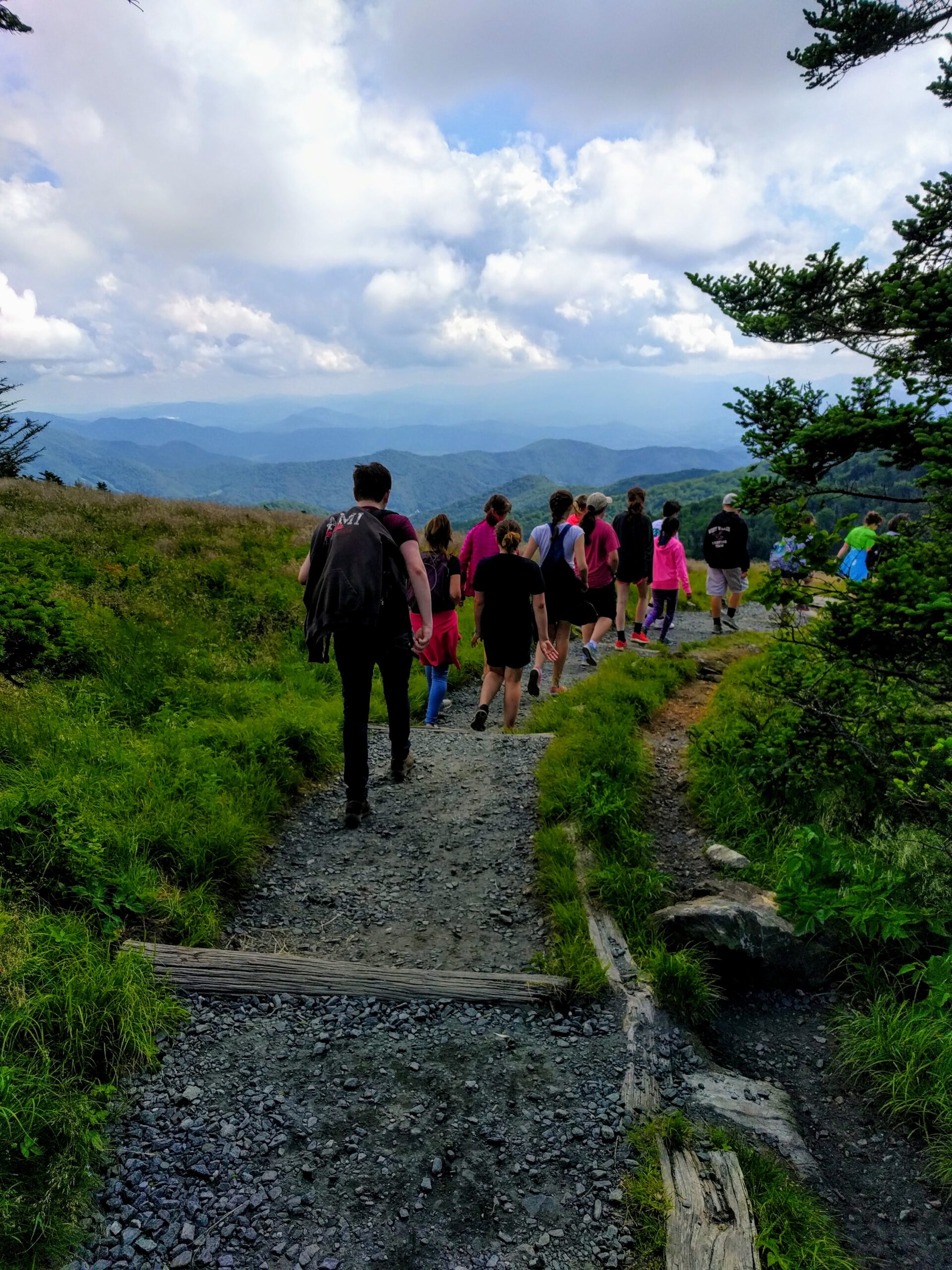
What began as small groups of neighbors walking together to feel safer has evolved into neighborhood programs capable of reducing health risks, strengthening social ties and connecting residents with preventive services.
Physical activity within everyone’s reach
Community walks emerged as a response to a basic need: moving to live better. Their transformative impact comes from the collaboration between neighborhood groups and private organizations that provide technical support, educational materials and basic medical follow-up.
This teamwork allows a simple practice to gain structure, continuity and measurable health outcomes.
“Paso a Paso Saludable” in the outskirts of Lima is a clear example. The program, led by a chain of clinical laboratories, sends employee volunteers to accompany walkers and conduct blood pressure and glucose tests at the end of each route. Results show a steady decrease in sedentary behavior and an increase in early detection of hypertension and prediabetes.
The key is turning these moments into opportunities to deliver essential medical services that still do not reach many neighborhoods consistently.
This model has also been replicated in cities in Argentina—such as Rosario, Córdoba and Greater Buenos Aires—where insurance companies and worker cooperatives support walks with training in first aid, safe hydration and self-care guidelines.
These experiences highlight that private involvement includes providing reflective clothing, flashlights and signage so groups can safely use public spaces.
Unlike gyms or traditional sports activities, community walking groups offer a crucial advantage: inclusion. Older adults, teenagers, women with children, people with chronic illnesses and residents with no sports experience can participate.
Walking is affordable, adaptable and capable of becoming a sustainable habit. Programs that endure are those with minimal resources for communication, follow-up or ensuring the presence of health professionals.
The social dimension is essential. Walking in groups increases safety, strengthens bonds and reduces isolation—especially for women and older adults.
In many vulnerable neighborhoods, community walks have become spaces of emotional support where concerns are shared, needs are identified and support networks are built.
Recognizing this, several private organizations have incorporated mental-health professionals who occasionally join the walks to offer basic guidance, detect warning signs and refer urgent cases.
Specialists also note that when walking becomes a collective habit, communities take greater ownership of public spaces and general well-being improves. Some municipalities eventually joined bottom-up private initiatives, integrating walking groups into their official health and sports programs.
Experiences in vulnerable areas show that while waiting for public policies to arrive, alternative pathways exist to improve quality of life. Community walks do not solve the shortage of health centers, infrastructure or professionals, but they offer an accessible and necessary solution.
Community will, combined with responsible and sustained private support, can generate improvements in health indicators without large budgets or bureaucracy.
Community walking programs are emerging as a quiet revolution—a simple, accessible and humane way to practice public health from the social base. While they do not replace government responsibilities, they provide a needed response for residents.
Recent studies by medical schools in Brazil and Chile show sustained improvements in blood pressure, lung capacity and sleep quality among participants in organized walking programs.
In vulnerable settings—where uncertainty is common and affects personal motivation—guided walks offer a small weekly moment that is both physical activity and a social encounter, giving each participant a reason to move, connect and belong.