
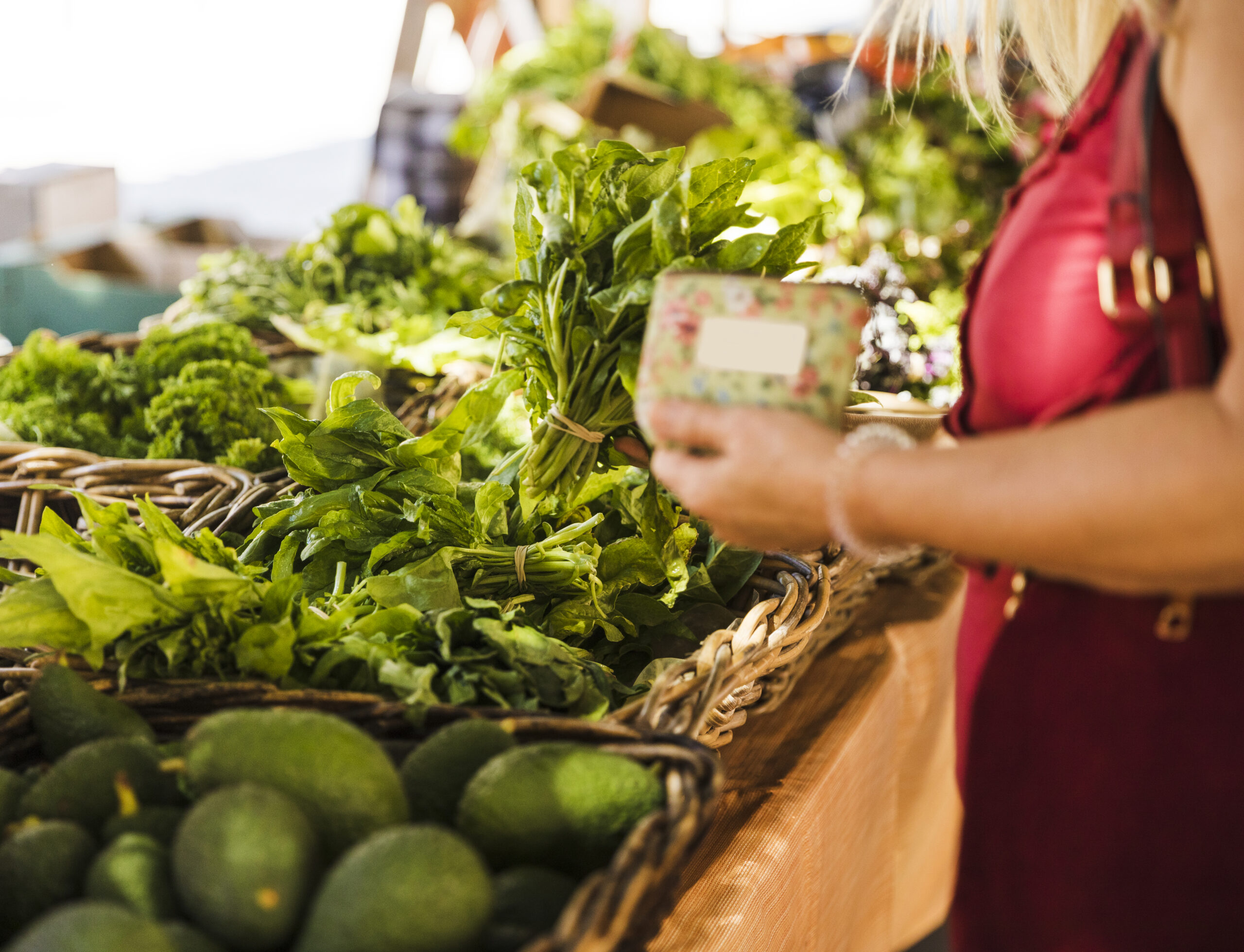
With access to reliable food and trustworthy information, communities facing multiple nutrition-related challenges experience transformative change.
Across many communities in Latin America, various initiatives are underway to improve the health of populations living in territories considered remote and underserved by state interventions.
Many of these efforts are driven by civil society organizations, local entrepreneurs and private donors who understand that prevention is a fundamental tool for achieving meaningful impact. In this context, healthy fairs are emerging as spaces that reduce disease, strengthen food autonomy and improve quality of life.
An accessible and healthy proposal
Although at first glance they may look like markets offering fruits, vegetables and homemade products, many of these fairs have a powerful backstage movement that changes lives. Nonprofit organizations, agricultural cooperatives and foundations support educational stalls set up in neighborhoods where malnutrition, informal food practices and lack of information are persistent concerns.
In these spaces, what is “sold” is not only food but also practical knowledge that can prevent foodborne illnesses, improve household diets and reduce health expenses.
A defining aspect of these fairs is their direct and pedagogical approach. Stalls are organized by community nutritionists, health promoters, local cooks and agroecological producers who understand the economic reality of the residents.
Because of this, they do not work with idealized recipes but with options accessible to tight budgets, combining nutritional, economic and social perspectives.
During a typical visit, families encounter stalls explaining how to read food labels, identify adulterated or spoiled products and create nutritious combinations with low-cost ingredients.
They receive concrete guidance and practical demonstrations on how to wash vegetables safely, avoid cross-contamination in small kitchens and replace ultra-processed foods with simple, affordable alternatives.
“Mercados que Cuidan,” a program in Argentina, operates through a private foundation and fruit-and-vegetable cooperatives that set up weekly fairs in neighborhoods of Greater Buenos Aires. Along with affordable fresh produce, they offer 20-minute workshops on how to preserve food without refrigeration and how to detect spoilage in dairy and meat products.
In rural Guatemala, “Carritos Nutritivos” is a community initiative with mobile stalls mounted on bicycles. Promoters travel from village to village delivering seasonal produce and offering brief talks on food hygiene.
“Sabores Seguros,” an initiative in Cali, Colombia, was launched by a network of community kitchens and focuses on preventing food poisoning—a frequent issue in areas with scarce access to clean water.
Their workshops teach how to purify water using household methods, how to avoid cross-contamination and how to recognize early symptoms of food intoxication. They also distribute kits with simple filters and educational materials funded by an international foundation.
Across all these initiatives, educational stalls and workshops not only promote healthier eating but also aim to prevent diseases that burden local health systems, including acute diarrheal illnesses, hypertension, type 2 diabetes and other conditions linked to unsafe or inadequate diets.
They do so through a community-based approach aligned with local realities, built among neighbors who share challenges, resources and strategies.
In many cases, private organizations promote these initiatives. They do not replace the state but complement it, especially in areas with weak institutional presence.
Companies donate equipment, foundations fund logistics, producers offer reduced prices and volunteers dedicate hours to training—together forming a network that makes these programs possible.
What distinguishes these fairs is their ability to foster long-term change. Families learn how to maintain cold chains without refrigerators, avoid impulsive purchases, identify quality foods and prepare nutritious meals without increasing expenses. This food autonomy is one of the most significant factors in reducing disease.
The expansion of healthy fairs demonstrates that food security can be strengthened through flexible, low-cost strategies adapted to local realities.
Amid accessible recipes, fresh products and practical advice, a quiet transformation takes shape—rooted in neighborhoods, sustained through solidarity and driven by the understanding that knowledge can be as nourishing as the food itself.