
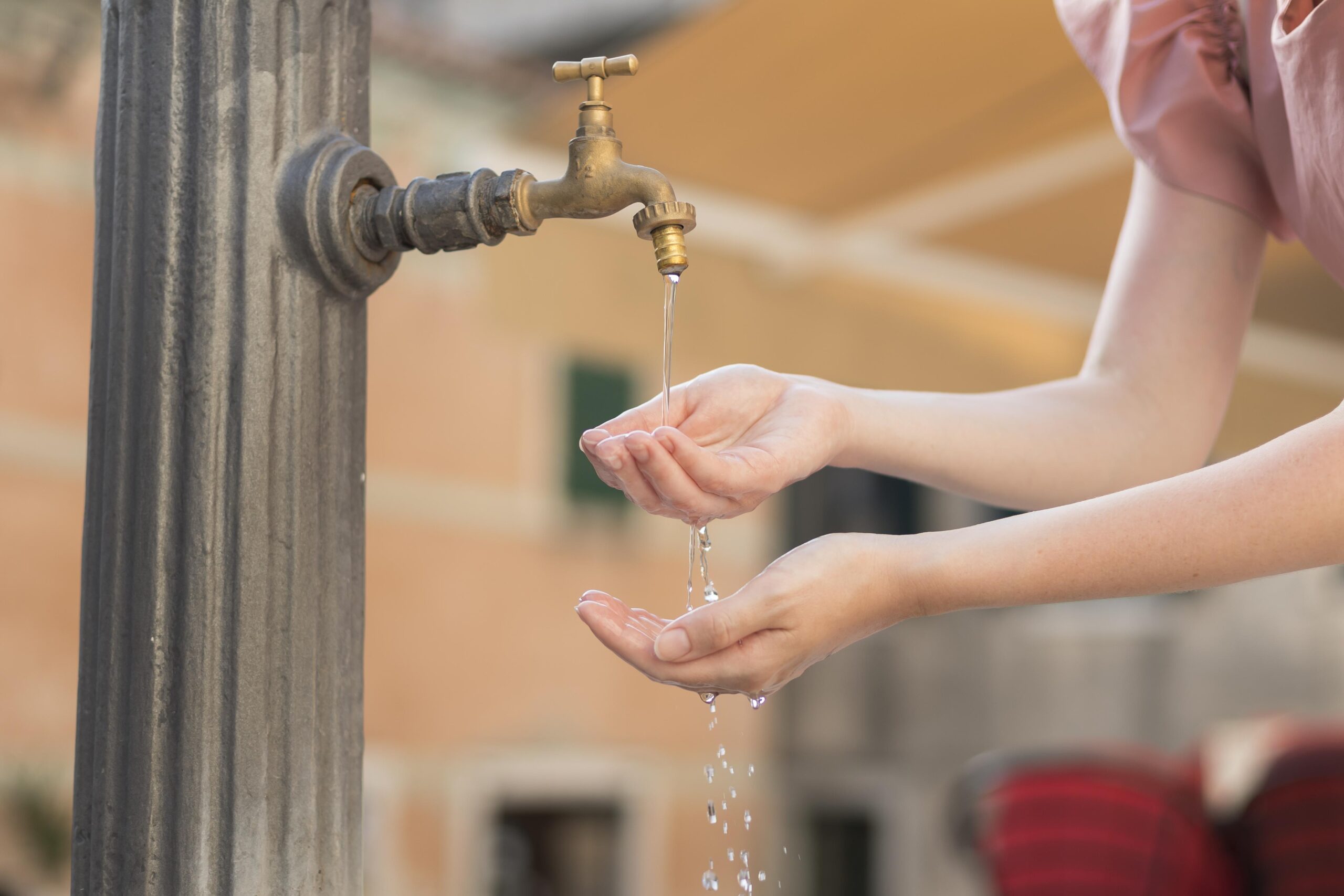
Unsafe water consumption remains one of the causes of thousands of deaths every day. An outline of the actions underway in this global context.
For millions of people living in marginalized communities, turning on a tap and receiving drinkable water is far from an everyday reality. This absence places health, education and human dignity at risk.
Across different regions of the world, a set of privately driven initiatives from foundations, social enterprises, community organizations and individual donors is working to reverse these conditions, building a silent revolution grounded in three pillars: wells, filters and the renewed hope that emerges when water access stops being a privilege.
Access to clean water as a foundation for health
The health impacts of unsafe water have been studied for decades, given that the problem remains widespread. Diseases such as acute diarrhea, cholera and hepatitis A persist in areas where water sources are contaminated by human waste, agricultural pesticides or industrial runoff.
According to international organizations, more than 800 children die every day worldwide from preventable diseases associated with contaminated water. In this context, private intervention can be the difference between life and death.
One of the most common solutions is the drilling of deep wells—a strategy that seems simple but requires geological planning, specialized equipment and long-term maintenance.
Foundations funded by donors from different countries have financed thousands of wells in regions underserved by the state, such as the African Sahel or remote areas of Central America. These projects typically begin with participatory assessments in which community members identify needs, local organizations handle logistics and technical teams carry out the work.
The results include reduced time spent by women and girls walking long distances to collect water, decreased waterborne diseases and improved household nutrition through small-scale farming enabled by reliable access to water.
However, drilling is not always ideal. Some areas face groundwater contamination with arsenic—as in parts of northern Argentina or Bangladesh—making well water as dangerous as river water.
In these settings, low-cost filtration and purification technologies designed by startups and university labs become essential tools. Solutions range from ceramic filters treated with colloidal silver to solar-powered reverse-osmosis devices, all aimed at transforming water quality.
The development of community-based portable filtration systems—installed in schools or health centers and capable of purifying up to a thousand liters per day—has also expanded. Funded by technology companies, these devices are becoming crucial in the fight against child dehydration and gastrointestinal infections.
Teachers and health promoters already note improvements: fewer school absences, fewer diarrheal consultations and greater participation of women in community activities due to reduced time spent searching for safe water.
Alongside these systems, smaller initiatives play an equally important role: local entrepreneurs producing artisanal filters, neighborhood groups managing rainwater-harvesting systems or cooperatives selling affordable purification tablets.
These actions—supported by microfinance and private technical assistance—are helping build a water economy that not only meets urgent needs but also fosters employment and autonomy within marginalized communities.
The clean-water revolution is not only technological; it is also educational. Infrastructure provides the foundation, but filters must be maintained, wells require community organization and effective purification depends on families understanding proper practices.
For this reason, many private projects include hygiene workshops, awareness campaigns and community leadership training. Health education becomes a transformative tool that amplifies the impact of initial interventions.
Improved water access also depends on collaboration: in several countries, social enterprises and foundations work alongside local governments to scale projects, share costs and ensure long-term sustainability.
In some cases, private interventions have prompted regulatory changes, including stricter water-quality standards and the implementation of community monitoring programs.
These initiatives offer immediate relief, but sustained work is needed so that they do not remain temporary solutions. Instead, they should function as stepping stones toward guaranteeing the universal right to safe drinking water.